What TRIS Means To Us - Reflections from the Graduating Class of 2024!
(Speech given by the outgoing students during their Graduation Ceremony).
Joya:
As you guys know, we are the last Middle School class of The Renaissance International School or TRIS for short, at least the last for the next few years. We decided to make a speech about our experience at TRIS and how grateful we were to attend the school.
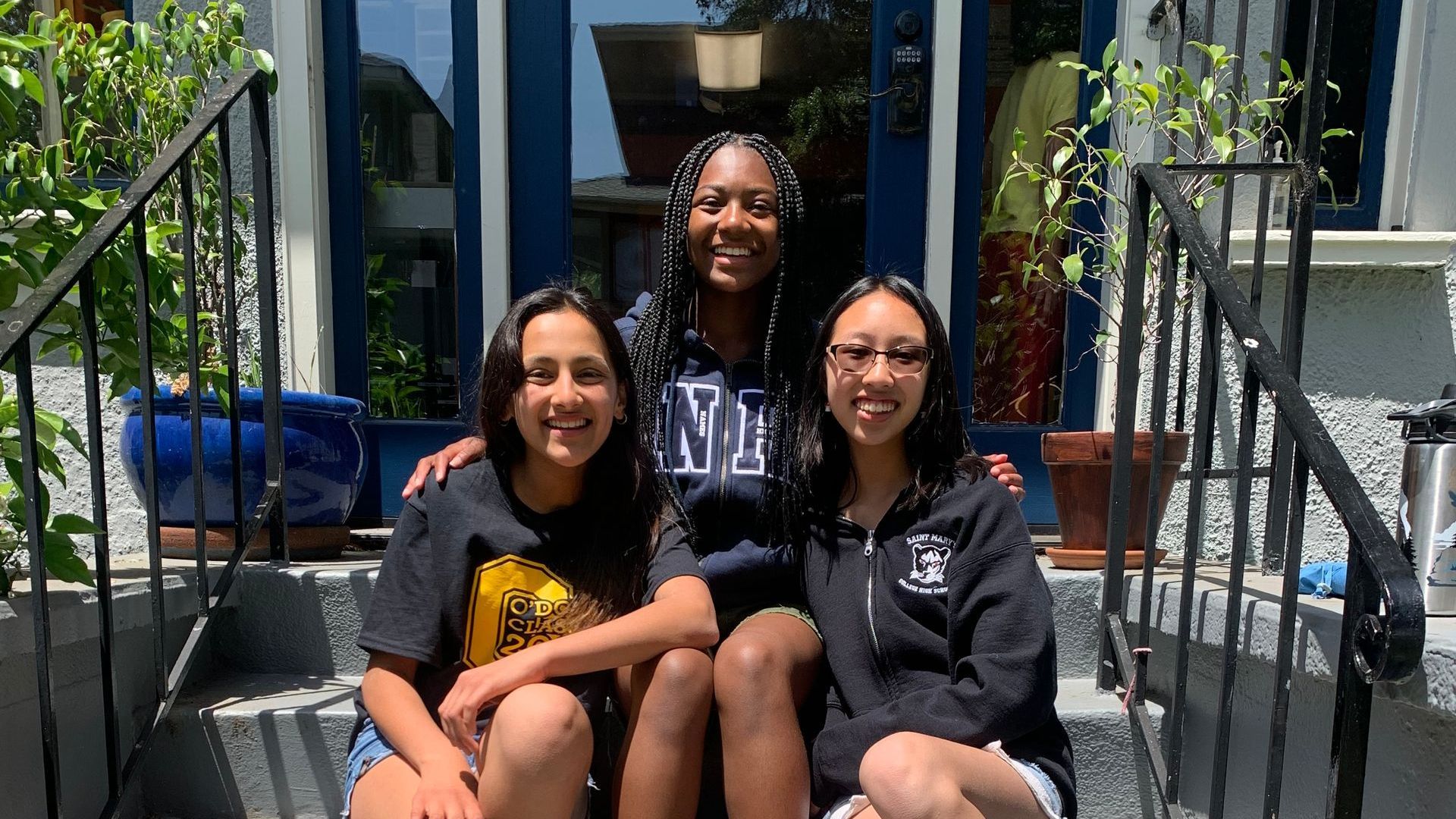
Norah: Allow us to introduce ourselves:
Norah: My name is Norah, and I have attended TRIS for 6.5 years 205,120,019 seconds to be exact
Joya: My name is Joya, and I have attended TRIS for 5.5 years
Elise: My name is Elise, and I have attended TRIS for 14 years
Elise: As a TRIS tradition, we asked a few members of the TRIS community to describe TRIS in adjectives.
They said TRIS was:
committed, communal, enjoyable, child-centered, caring, friendly, accepting, diverse, involved, inclusive, beyond the expected, expensive
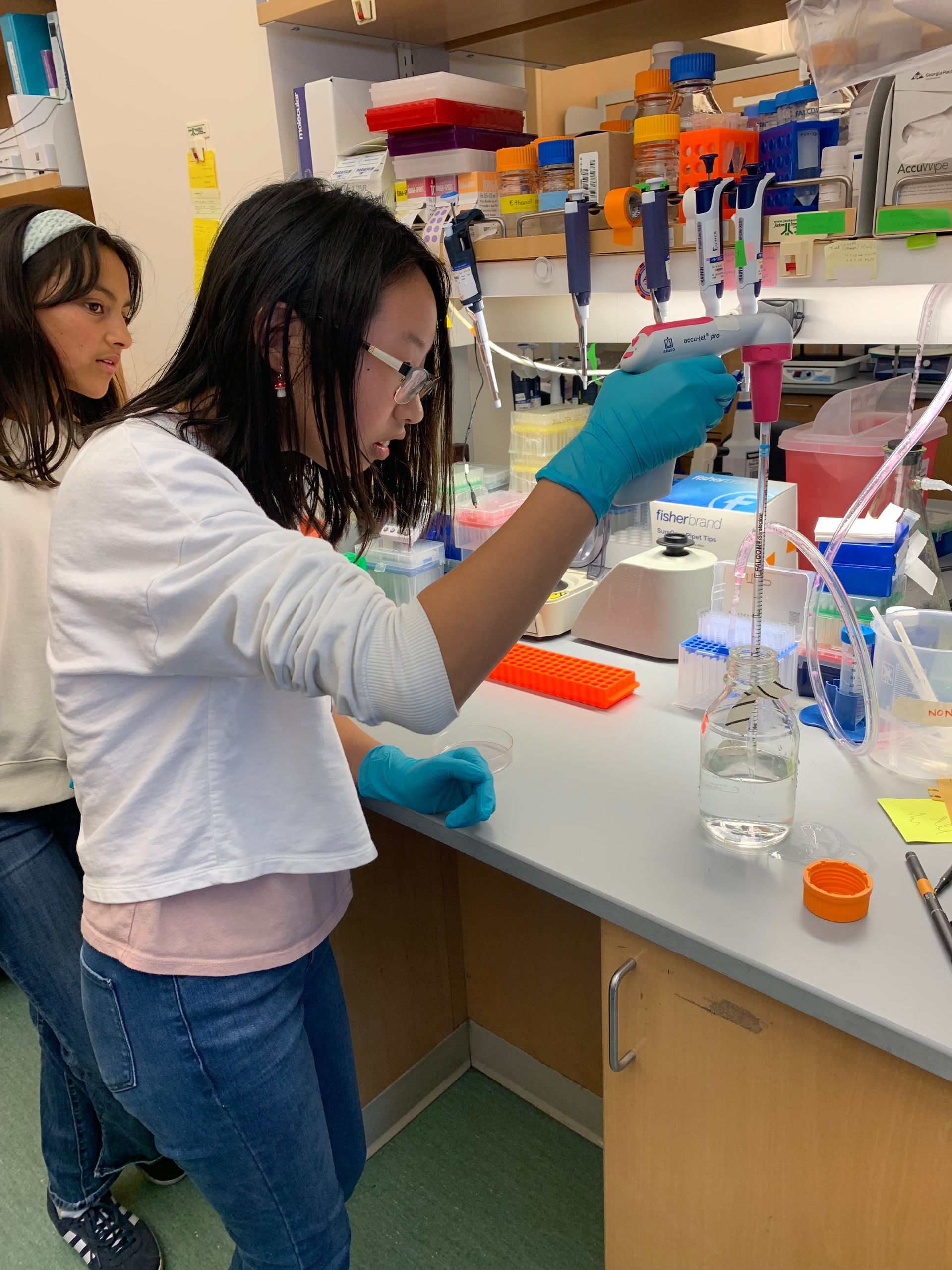
Joya: As a part of the beyond-the-expected community, we have learned that being a student at TRIS means being spoiled. You're spoiled by the involvement of your teachers in your education, their care about you and your future successes, and their commitment to the Montessori program, and you’re spoiled by them working with us for three years and being able to share their values over their time, and how they encouraged our mistakes–and taught us how to learn from them. But most importantly, they spoil us with the independence we, as young students, are given in and outside of the classroom.
Elise: I have been at TRIS my whole life, and many amazing teachers have taught me. You can tell how committed they are to their job, team, and students. I remember how sad I was every time I left to join the next level, from Preschool to Lower Elementary to Upper Elementary. An example of their commitment is them speaking to you in a language you barely understand, just so you can practice it, they bring you on trips, even if it means them leaving their homes, they’re there for you, to give you constructive criticism, to cheer you up, and just to talk and joke with you. Although TRIS teachers are the only teachers I have known, I am fortunate to have had them.
Norah: Throughout my experience at TRIS, I have gone through two elementary levels and the Middle School level. I have had around 15 teachers that have worked with me directly but I also know that many other teachers have impacted my TRIS experience and many other students. Because that's just how TRIS is. Everyone works together and even though it may seem like you have 3 teachers, in reality, at least 10 others have worked or are working on your program. The TRIS community works together, and you can tell it works by how many students have passed through TRIS with amazing experiences. Thank you Teachers!
Elise: We’re also spoiled by our parents who continued to trust the program throughout our time at TRIS, how they continued to let us attend this year even though they knew there would only be three kids in our class. How they let us travel the world without being in contact with them for around 12 days, which is pretty scary, but they trust this school, and they have trusted the Montessori method and the ways we are taught at TRIS. And being spoiled by how independent you are and how the school trusts you and your peers with your time, giving you the responsibility you need to become an adult.
Joya: The only learning method I’ve ever known has been Montessori. My parents first placed me in a Montessori when I was two. My mom said she did this because, “It was more of a learning at your own pace experience. So you could focus more on the work that you wanted to do.” After I visited TRIS, years later, my parents told me they chose this school because “it seemed very familiar to me” like I had already been there
for a long time. My parents loved how I was given opportunities like, traveling the world, speaking three languages, working independently, and they knew once I started TRIS they wanted me to finish it. So when Covid hit and classes changed completely their love for the school was the reason I stayed. This year when they found out that I would only have two other peers, they pushed that aside and thought more about the opportunities I was given that they didn’t have when growing up.
TRIS has taught me so many things, (and I’m not just talking about how to solve for x) it has taught me the importance of responsibility, exposure to different cultures, respect, healthy friendships, independence, and obviously the less important stuff like metaphors, polarization, current events, and trigonometry.
Norah: When I moved schools from a traditional learning environment to TRIS–a Montessori, guided approach, my parents knew they would see improvement because when you're down the only way left to go is up. Montessori has helped me learn about myself as a person and also how I have relationships with other people. They knew they made the right choice keeping me the next year too, when I made friends and started speaking two additional languages. In my third year here, they also saw improvement in my relationships with other people, in my internationally diverse knowledge or language knowledge, and then the way to approach problems. Once COVID-19 hit, and I was one of several students in a small pod, they still saw the advantage of being in person and staying at TRIS. In the past few years, many things have changed but my parents and I have continued this program, and still remain faithful to TRIS. Recently as things at this school have come to a close for me and my family, i see my parents reflect on my experience at TRIS, knowing that the lessons and values i have learned have given me life-long uses and they also see that the experiences such as traveling have given me the independence and freedom to learn about my character. As my mom said a few days ago regarding the bi-annual Student Parent Teacher Conference which I have gone through 13 times, “Watching you develop your sense of self which takes you really far in life has been the best thing about these years at TRIS. Seeing you being able to identify the things you're good at but also things you need work on is something many adults cannot do and having that knowledge and knowing how to work on yourself is a very powerful skill:” This program has worked so well for me because it is montessori and because I have been guided through this education by amazing teachers and even peers.
Things we got to do at as Middle Schoolers at TRIS:
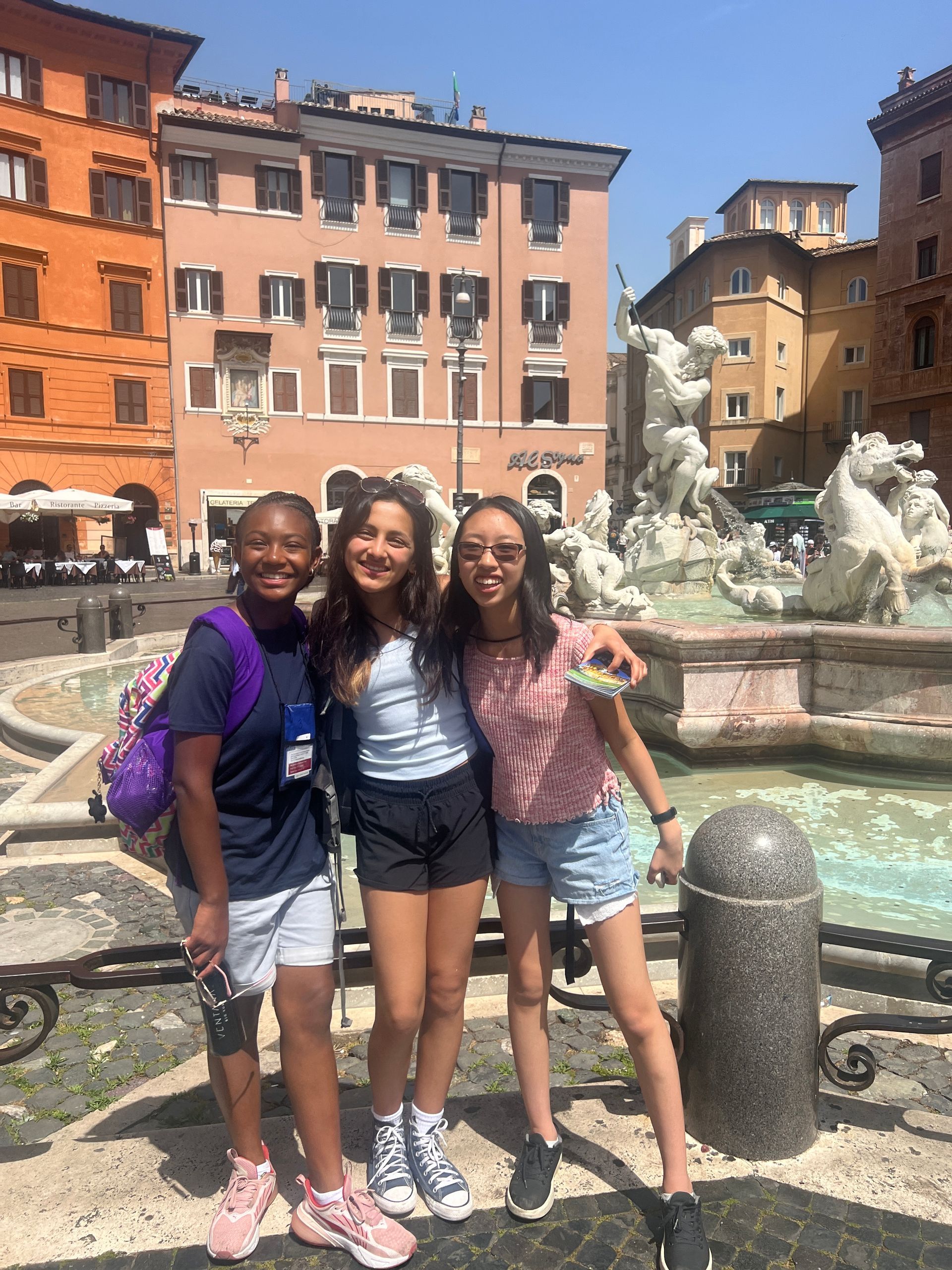
- Joya: Travel to Rome and attend MMUN (being restricted to solely speaking french)
- Joya: Run an online school newspaper (if you haven’t already make sure to check out our new PDM issue)
- Norah: Community service/childcare services
- Norah: Walk to Dimond Slice on Thursdays
- Elise: Getting sweet treats on going-outs
- Elise: Go to Mono Lake (and again, restricted to speak only in spanish)
- Joya: Challenge U.E in basketball (and definitely not lose multiple times)
- Norah: Watch films based on topics in our classes
- Elise: Fundraise for our trips
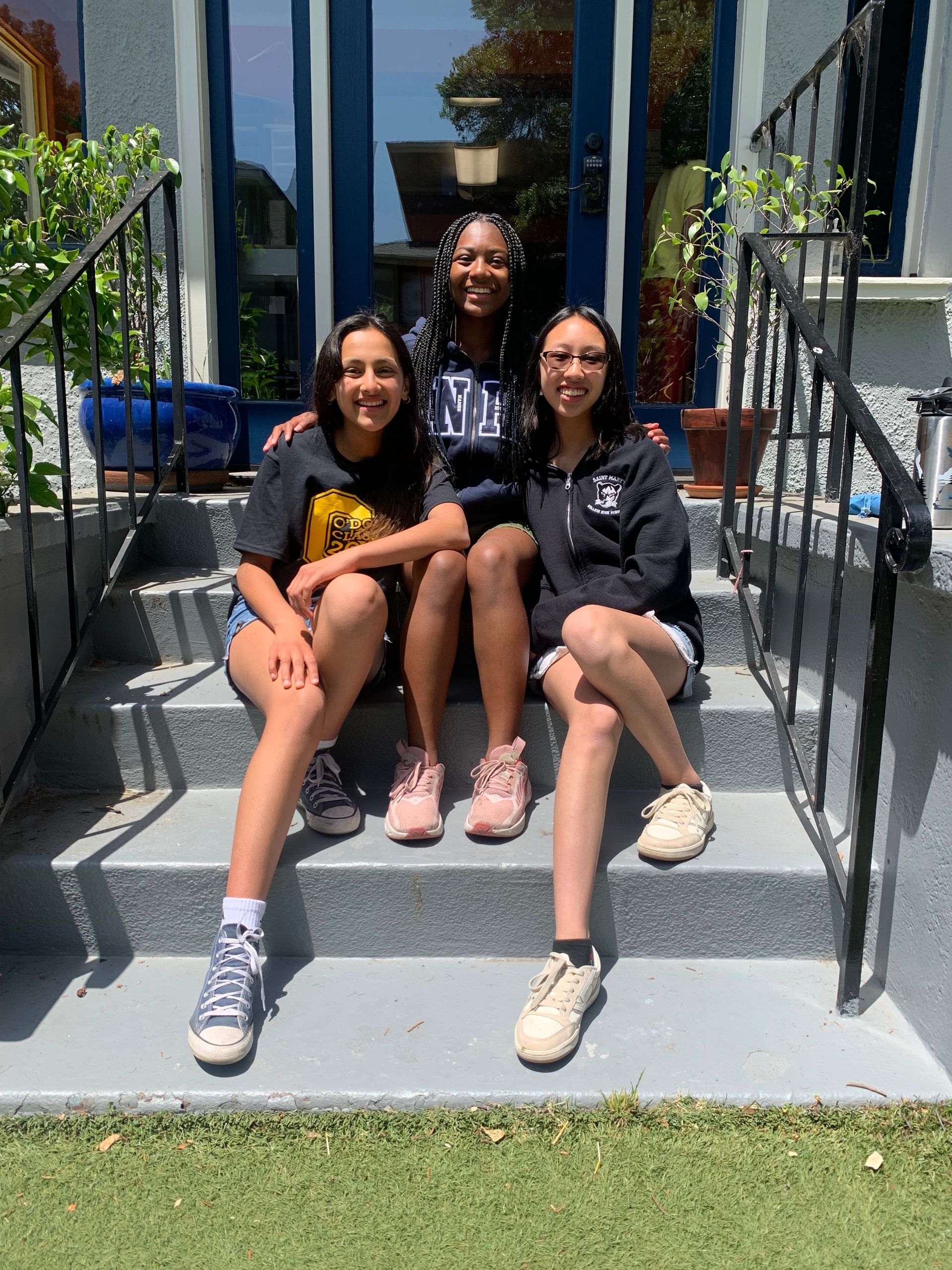
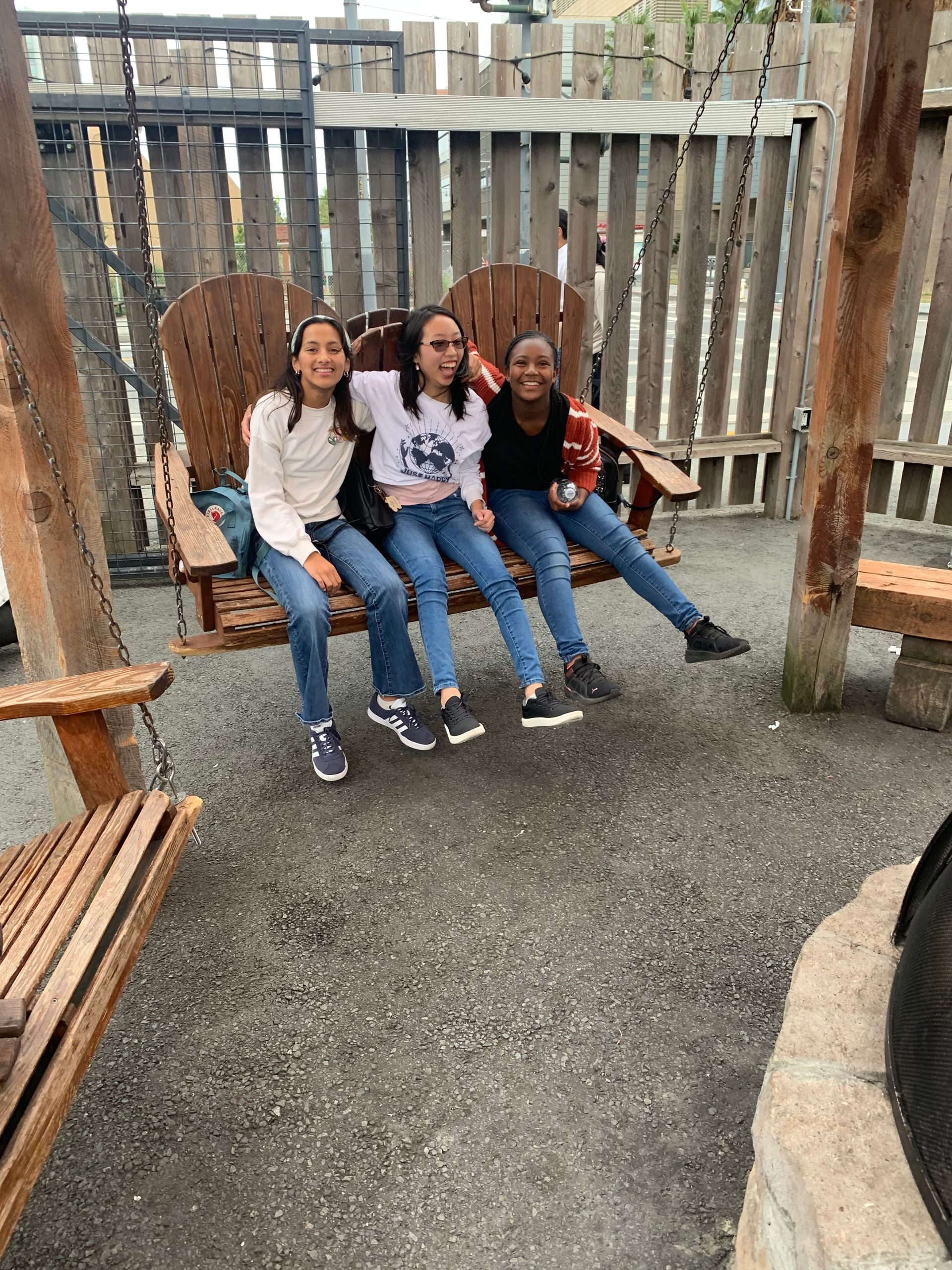
Elise: Even though we are so excited for High School, we are still sad to move on from TRIS, which has been a huge part of our lives for so long. We are so grateful to every parent, teacher, and student who has been a part of the TRIS journey because you made us who we are and helped us in everything for our future.
- Joya Mayberry, Norah Abid, and Elise Tan
2023-24 The Renaissance International School