Student Art Show
June 1, 2024

Celebrating Young Artistic Talent

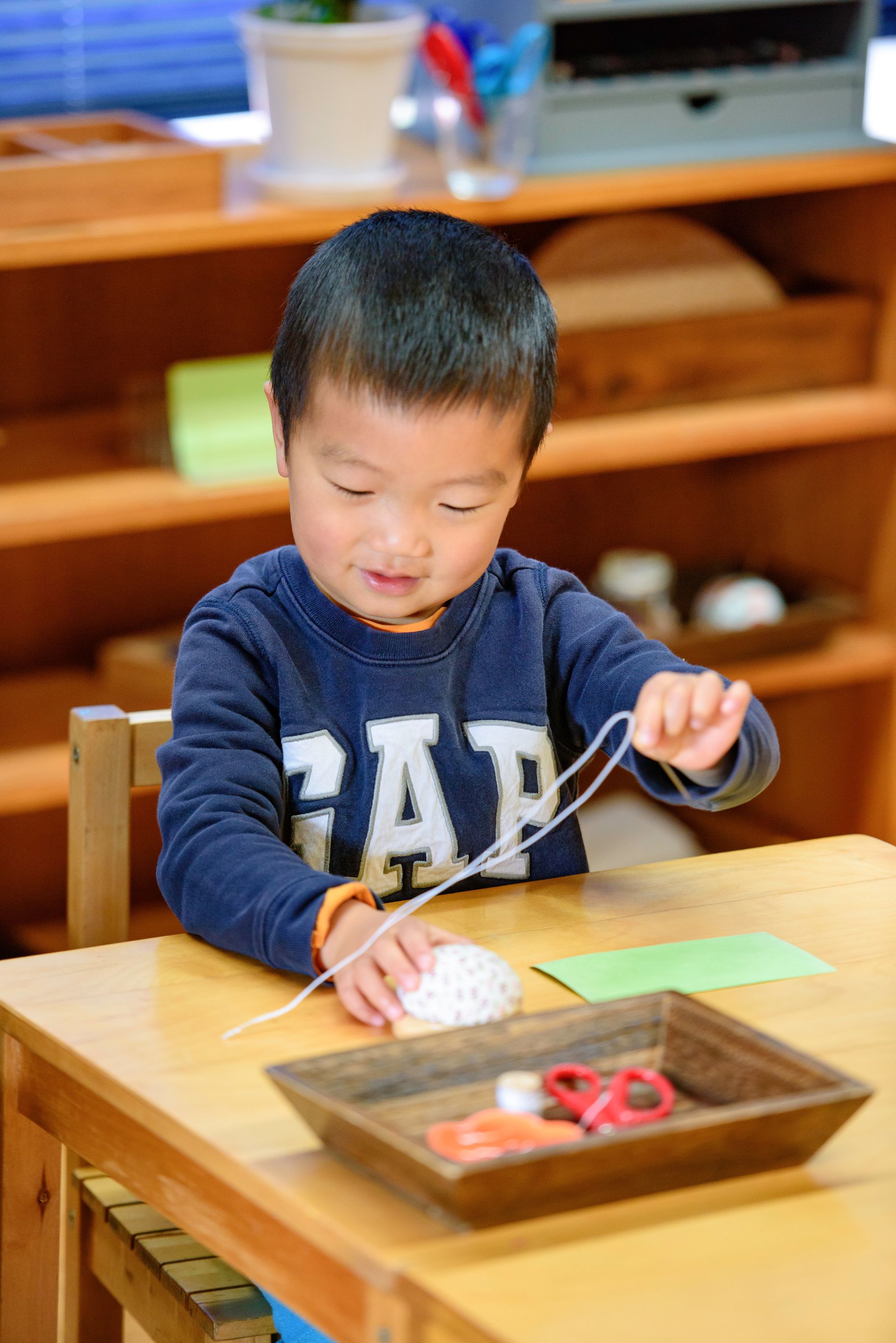
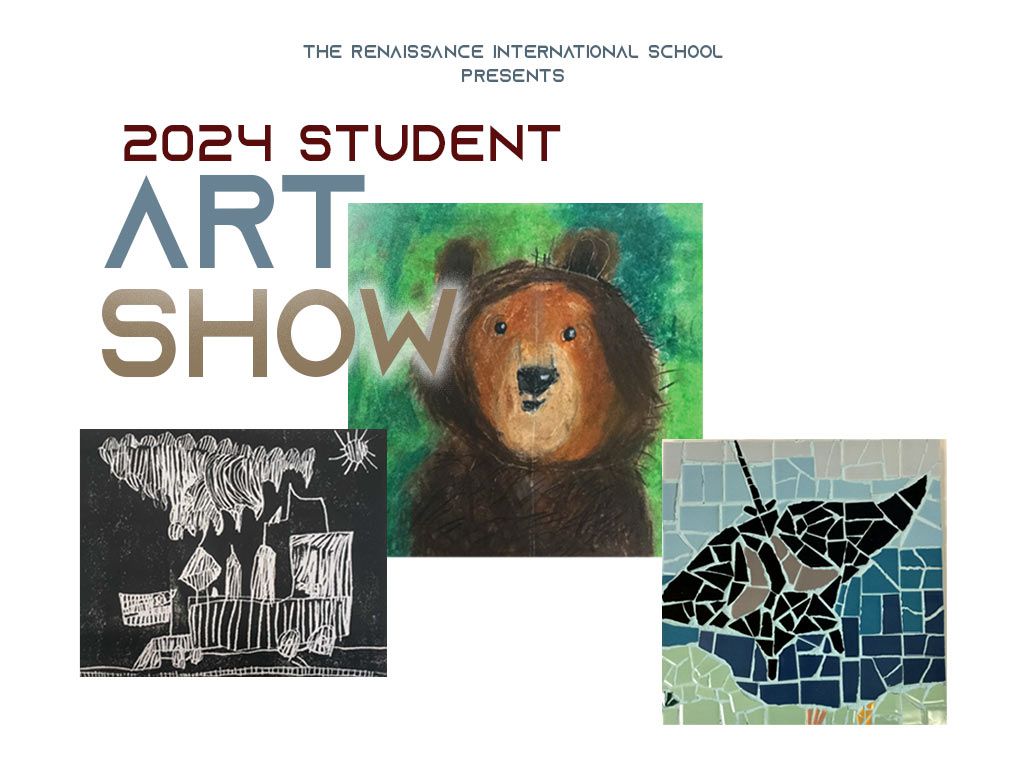
One of the most remarkable features of the TRIS Annual Art Show is that we display every student's artwork, from Primary to Junior High level. Even our youngest artists present a beautiful array of skills, imagination, and materials/techniques in their creations. From a quick, spontaneous burst of creativity to a thoroughly planned long-term art project such as weaving, needlepoint, or a bead mosaic, each of our students is acquiring art skills and learning to express their original ideas and build their stamina and self-confidence. This level of fine motor skills and concentration at such a young age is a norm in our school because all our students have a strong foundation that Montessori classrooms provide and a unique art program that focuses on the individual needs of every student. 


When you attend the Art Show reception, ask your children about their work and the process, meet your children's art teachers, and look at all the art displayed at the gallery. 


 If the Reception time is a bit overwhelming for you and your children to observe and enjoy the art, please come again at a different time. The Art Show will be open until June 15. 


- Natalia LaRoche (Preschool/Primary Art Instructor)


The annual Student Art Show is a highly anticipated event that showcases the remarkable talents of our school's aspiring artists. This year's exhibition promises to be a captivating display of skill, creativity, and imagination. From vibrant paintings that capture the essence of life to sculptures that celebrate human form and actions, making intricate beadwork and showcasing their sewing skills, the students have poured their hearts and souls into their masterpieces. Art enthusiasts, proud families, and fellow students will have the opportunity to experience the exceptional works and support the budding talents of these young artists. Take advantage of this inspiring exhibition!


We look forward to welcoming you!


- Rinu Mathew (Elementary and Middle School Art Instructor)
A Showcase of Learning: Elementary Cultural Research Projects
By Wellington Pontes-Filho March 30, 2026
From Curiosity to Confidence: Inside Our Cultural Research Project Presentations at the Renaissance International School.
Peace and Montessori Education
By Renee Hites March 4, 2026
In a world that often feels rushed and fragmented, Montessori education offers something rare: a place where children are truly seen. It is an approach built not just on academic achievement, but on the belief that education, real education, has the power to change the world. Maria Montessori developed her method in the early twentieth century, but her deepest conviction was not about reading or mathematics. It was about peace. She believed that if we want a more peaceful world, we must begin with the child. " Establishing lasting peace ," she wrote, " is the work of education ." In a Montessori classroom, peace is not simply a topic that is taught. It is something that is lived. Children of different ages work alongside one another, learning to collaborate rather than compete. They develop independence, not because they are left alone, but because they are trusted. They are given real work that matters, real choices that shape their day, and real consequences that teach them to think carefully about their actions. This freedom, however, is always balanced with responsibility. Children learn to care for their environment, to resolve conflicts with words, and to consider the needs of others as naturally as they consider their own. Grace and courtesy are woven into the fabric of every day, not as rules imposed from the outside, but as habits grown from the inside. Montessori also understood something profound about the child's relationship with the world itself. Through Cosmic Education, the sweeping story of the universe, the Earth, life, and human civilization, children come to see themselves not as isolated individuals, but as participants in something vast and interconnected. They learn that every living thing depends on every other, that the air we breathe was shaped by ancient organisms, that the words we speak carry the fingerprints of countless civilizations. This perspective cultivates humility, wonder, and a deep sense of responsibility toward the world and toward one another. What you will see today in our classrooms is a reflection of that vision. The quiet concentration, the purposeful movement, the children helping one another: these are not accidents. They are the fruits of an environment carefully prepared to bring out the best in each child. Montessori education does not promise to solve the world's problems. But it does promise to raise children who are capable of empathy, who know how to listen, who find meaning in contributing to something greater than themselves. And in that promise lies something quietly extraordinary: the possibility that the children in these rooms might one day help build the more peaceful world we are all hoping for.