Afternoon In Elementary
Wellington Pontes Filho • February 12, 2026

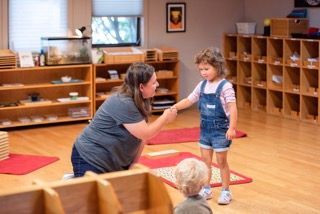
An Afternoon in Elementary is a wonderful opportunity for preschool and Kindergarten families to experience the Montessori Elementary environment and learn more about this exciting next step in their child's journey. This event is designed to help parents understand how Montessori Elementary builds naturally upon the foundation established in the primary years. In Elementary, children continue to grow as independent, confident learners while engaging with big ideas in math, language, science, and cultural studies through hands-on materials, collaborative work, and guided exploration.


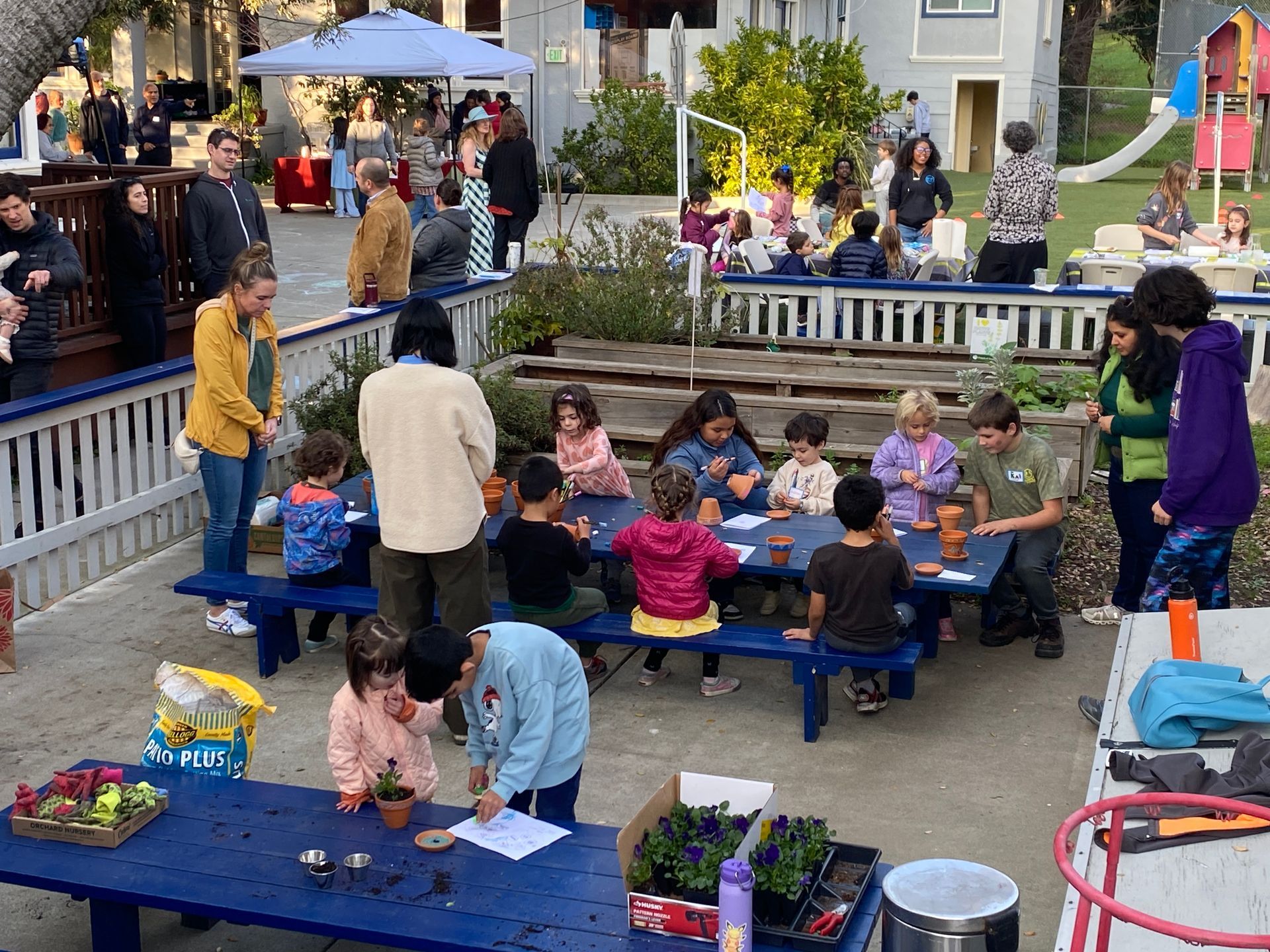
This year, our An afternoon in Elementary event was again a great success, bringing together children and their parents for a variety of engaging activities. These activities were led by Elementary students, with the support and supervision of Elementary staff and parent volunteers. The participants enjoyed the wonderful freshly baked French bread, explored the wonders of magnetism through experiments, and discovered a love of botany at the gardening and pot-decorating stations. There was great excitement during the math relay and while sewing geometric shapes. In Elementary, we also care for the health of both mind and body, which was reflected in the sports relay station. Creativity shone through our arts and crafts and face-painting stations. It was gratifying to see our Elementary students confidently engage with the younger students with empathy and warmth, guiding them through each activity and sharing their enthusiasm throughout the event.


Elementary parent ambassadors were essential to the event's success. They warmly welcomed Primary families, shared information about our Elementary Montessori program, answered questions, and guided children between activity stations. Their support of the Elementary teachers helped create a smooth, welcoming, and engaging experience for all.


We know that transitioning to Elementary can bring questions about readiness, independence, and academic expectations. An Afternoon in Elementary offers a space to see how children are supported socially, emotionally, and academically, and how the Elementary environment nurtures curiosity, critical thinking, and a love of learning.


We want to extend a sincere thank you to our community for participating in the Afternoon in Elementary event. Their curiosity, enthusiasm, and joy made the event truly special.


Warmly,

Wellington Pontes-Filho

Elementary Program Director
Supporting Your Child’s Learning at Home
By Wellington Pontes-Filho January 30, 2026
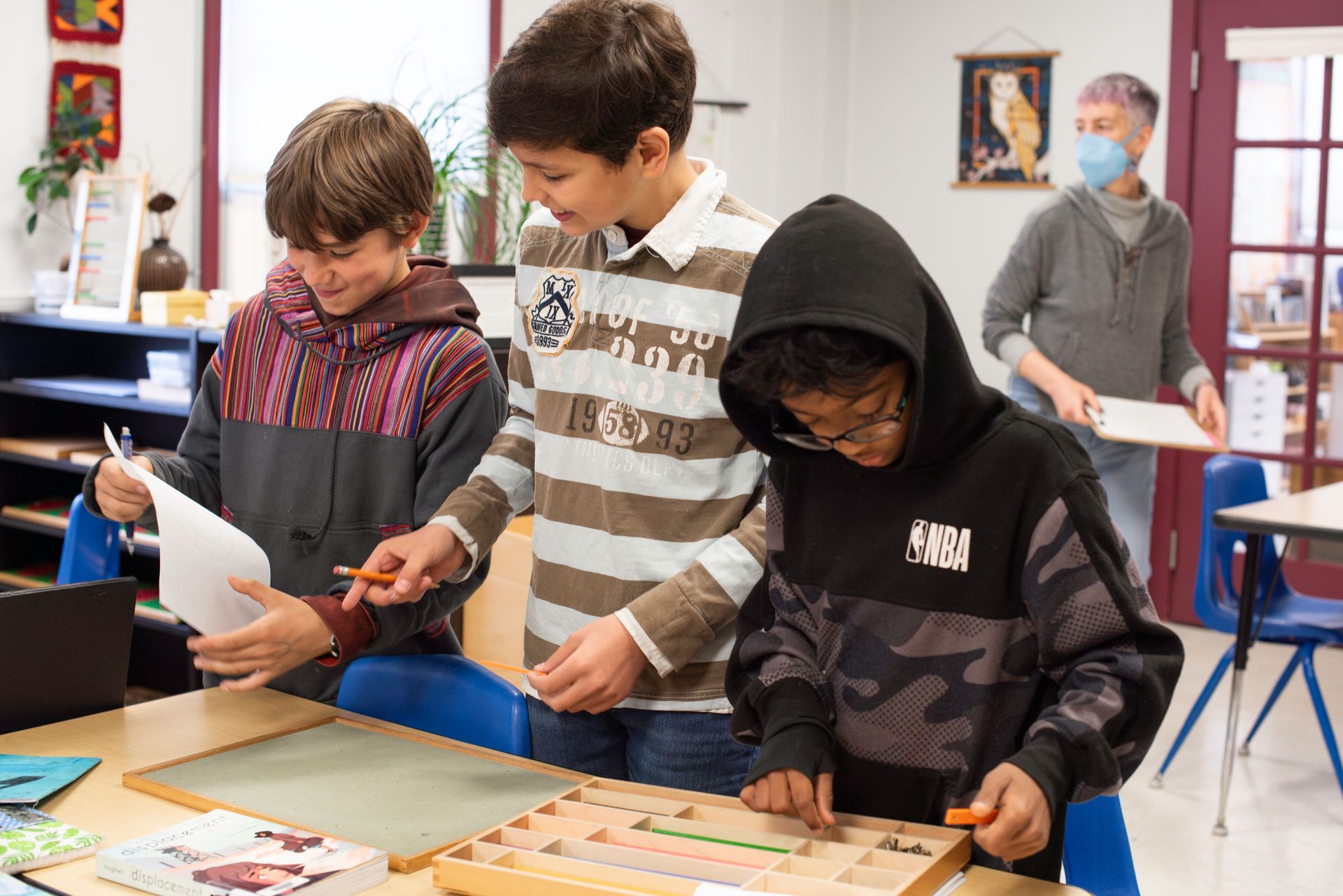
At The Renaissance International School (TRIS), we understand that education is not confined to the classroom. According to the Montessori philosophy, learning continues at home, in the everyday environments we create for our children. A carefully prepared home space can foster not only academic growth, but also independence, focus, and a lifelong love of learning. Dr. Maria Montessori emphasized that the environment plays a crucial role in a child’s development, famously stating, “The child builds himself through his environment.” This belief lies at the heart of our approach, both in school and at home. The way we organize a child’s space—its lighting, order, accessibility, and tone—can empower them to explore, concentrate, and develop confidence in their abilities. With this in mind, we offer practical suggestions for creating a Montessori-aligned workspace in your home that encourages your child to thrive. First and foremost, it is essential to select a well-lit area for your child’s learning activities. Natural light, preferably from a nearby window, supports alertness and a positive mood, helping children remain engaged with their tasks. If natural light is not available, soft and warm task lighting is a suitable alternative. Bright, inviting spaces reduce eye strain and create an atmosphere that promotes curiosity and attention. Equally important is choosing a suitable workspace that is consistent and appropriately sized. A child-sized table or desk provides a clear physical boundary for learning and helps establish a routine. Involving your child in selecting or decorating their space can foster a sense of ownership and responsibility. Even a simple arrangement—a small table, a chair, a mat, and a tray of supplies—can signal that this is their special place to work and learn. To encourage deep concentration, it is crucial to minimize distractions in the work area. Montessori classrooms are intentionally calm and uncluttered, and this same principle should guide the setup at home. Keep the learning space free from distractions such as toys, loud noises, and screens during focused work time. A quiet, orderly environment supports what Montessori described as “normalization”—a state in which a child finds satisfaction and joy in meaningful work. Some families find it helpful to use visual cues, such as a “quiet time” sign, to indicate when the space is reserved for focused activities. Comfort should not be overlooked. Providing an ergonomic chair suited to your child’s height supports proper posture, allowing them to concentrate without physical strain. Ideally, your child’s feet should rest flat on the floor or a footrest, and their arms should comfortably reach the table surface. This small but essential adjustment can improve stamina and engagement during work sessions. In line with the Montessori emphasis on order and independence , children should be encouraged to maintain a tidy and organized workspace. Habits such as putting away materials after use, keeping only necessary items on the desk, and labeling work with their name and date not only create a sense of order but also foster responsibility and pride. A simple system—such as a tray for current work and a basket for completed tasks—can help children manage their materials effectively. Accessibility is another key element of the Montessori environment. Storage solutions should be within the child’s reach, allowing them to retrieve and return their materials independently. This could include low shelves, labeled bins, file folders, or personal cubbies. The goal is to create an environment that is self-managing for the child, thereby reducing the need for adult intervention and increasing the child’s autonomy. Additionally, families may consider incorporating a small movement or break area into the learning space. In Montessori classrooms, children are free to move about and take breaks as needed, respecting their natural rhythms and promoting self-regulation. At home, a simple rug for stretching, a corner with a few books, or a designated space for taking short water or movement breaks can offer moments of calm and renewal, helping to prevent frustration or fatigue during more extended periods of study. It is important to recognize that each family’s situation is unique. Not every home has the same amount of space or resources, and that’s perfectly okay. The suggestions offered here are not about creating a perfect space, but rather about making thoughtful adjustments—however small—that respect your child’s developmental needs. Even one dedicated shelf, a basket for supplies, or a quiet corner can go a long way toward supporting your child’s ability to concentrate and feel confident in their learning journey. As Maria Montessori once said, “The greatest gifts we can give our children are the roots of responsibility and the wings of independence.” By observing your child’s behavior and interests, you can begin to understand what kind of environment best supports their learning and development. What helps them feel calm and capable? What sparks their curiosity and creativity? Start with those observations, and let them guide your decisions. With appreciation, Wellington Pontes-Filho
Vocal Concert
January 20, 2026
A Winter Evening Filled with Music and Community