Spring Concert
May 20, 2024

Pre-Primary (Toddlers) and Primary Concert

Wednesday, May 22, 2024.


Voices of Spring

Our Pre-Primary and Primary students have picked songs celebrating Spring and Peace. They will sing songs in Voci Pure, and a combined piece with Cantatouri called Ukuthula, a song about peace. 


Elementary and Junior High

Wednesday, May 22, 2024 and Thursday, May 23, 2024


Give Us Hope

For the spring concert, the elementary and junior high schools will perform songs to reflect areas of the world the students are currently studying in the classroom and themes that resonate with them. From Asia, students will perform a setting from Malala Yousefsai and a traditional dance song from Malaysia. From Europe, students are performing a Serbian Romani dance song, a French pop song made famous in the Eurovision Song Contest, and a Mozart canon. Students will also perform a set of songs using contemporary techniques, one with only speaking and no singing.
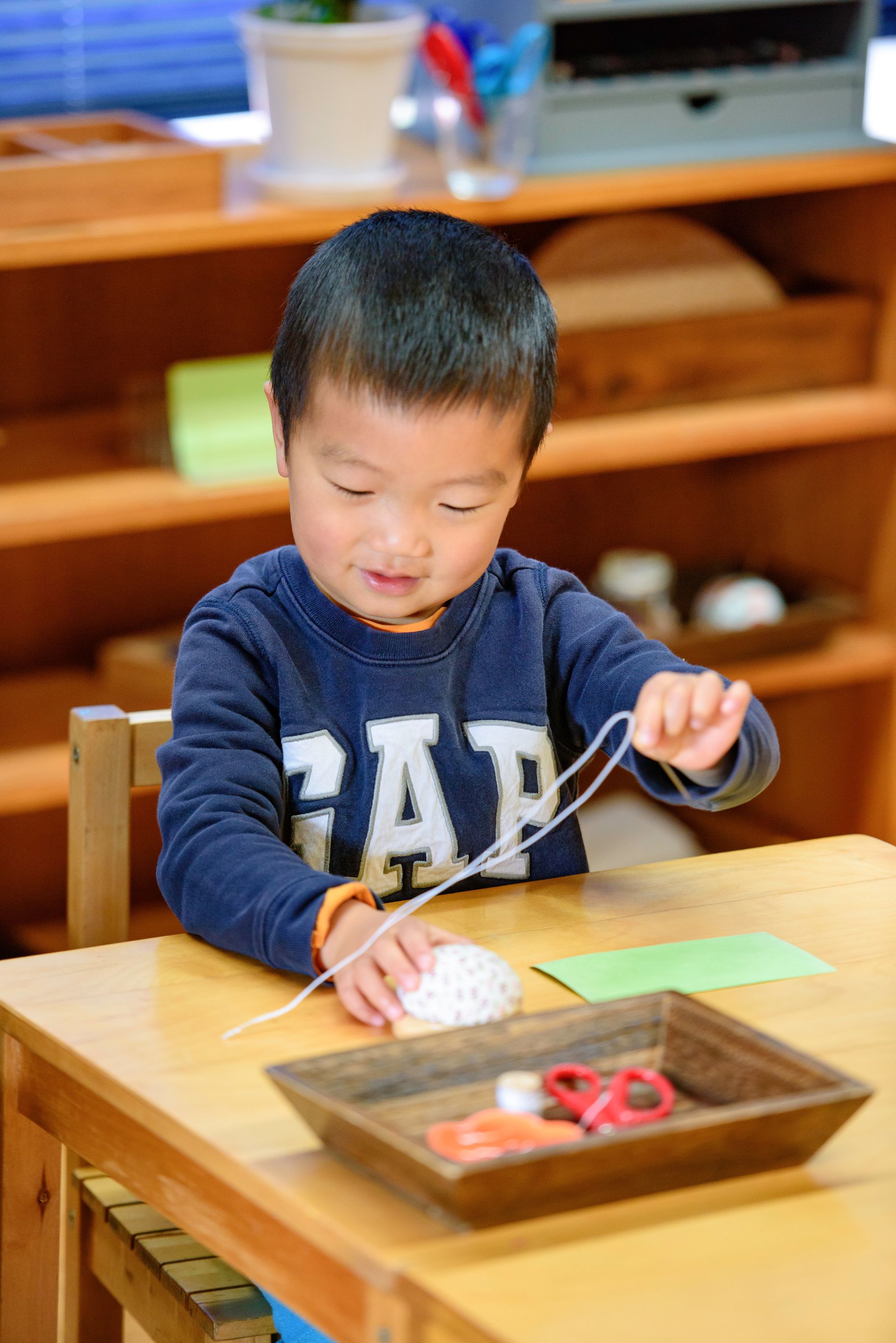
A Showcase of Learning: Elementary Cultural Research Projects
By Wellington Pontes-Filho March 30, 2026
From Curiosity to Confidence: Inside Our Cultural Research Project Presentations at the Renaissance International School.
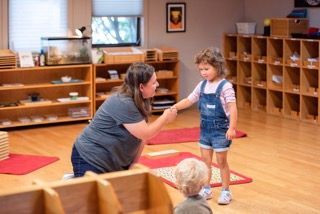
Peace and Montessori Education
By Renee Hites March 4, 2026
In a world that often feels rushed and fragmented, Montessori education offers something rare: a place where children are truly seen. It is an approach built not just on academic achievement, but on the belief that education, real education, has the power to change the world. Maria Montessori developed her method in the early twentieth century, but her deepest conviction was not about reading or mathematics. It was about peace. She believed that if we want a more peaceful world, we must begin with the child. " Establishing lasting peace ," she wrote, " is the work of education ." In a Montessori classroom, peace is not simply a topic that is taught. It is something that is lived. Children of different ages work alongside one another, learning to collaborate rather than compete. They develop independence, not because they are left alone, but because they are trusted. They are given real work that matters, real choices that shape their day, and real consequences that teach them to think carefully about their actions. This freedom, however, is always balanced with responsibility. Children learn to care for their environment, to resolve conflicts with words, and to consider the needs of others as naturally as they consider their own. Grace and courtesy are woven into the fabric of every day, not as rules imposed from the outside, but as habits grown from the inside. Montessori also understood something profound about the child's relationship with the world itself. Through Cosmic Education, the sweeping story of the universe, the Earth, life, and human civilization, children come to see themselves not as isolated individuals, but as participants in something vast and interconnected. They learn that every living thing depends on every other, that the air we breathe was shaped by ancient organisms, that the words we speak carry the fingerprints of countless civilizations. This perspective cultivates humility, wonder, and a deep sense of responsibility toward the world and toward one another. What you will see today in our classrooms is a reflection of that vision. The quiet concentration, the purposeful movement, the children helping one another: these are not accidents. They are the fruits of an environment carefully prepared to bring out the best in each child. Montessori education does not promise to solve the world's problems. But it does promise to raise children who are capable of empathy, who know how to listen, who find meaning in contributing to something greater than themselves. And in that promise lies something quietly extraordinary: the possibility that the children in these rooms might one day help build the more peaceful world we are all hoping for.