Where Learning Meets the Great Outdoors
July 11, 2025

Exploring the Bay Area: A One-of-a-Kind Summer Camp Adventure


Summer is a time for discovery, and at Exploring the Bay Area, our elementary Montessori students experienced a week like no other. Guided by the ever-enthusiastic wilderness guide and Montessori Elementary instructor, Nathalie Hites, the camp transformed each day into a journey across the diverse and stunning landscapes of the Bay Area. From riding buses and BART to catching the Ferry, students didn't just learn about the place they live — they lived it.


Each day brought new ecosystems, unforgettable views, and hands-on experiences that made learning an exciting adventure.


  • Monday: From Woodlands to Waves
  • Students kicked off the week with a deep dive into the natural treasures, exploring oak woodlands, sand dunes, and the stunning ocean beaches — all in a single day! It was a perfect introduction to the varied ecosystems right in San Francisco’s backyard.


  • Tuesday: Scaling Mt. Diablo
  • Their journey continued with a trip east to Mt. Diablo, where students learned about the chaparral, grasslands, and fascinating local geology. A highlight of the day was climbing through Rock City, where students could physically interact with the landscape they were learning about. It was both educational and exhilarating!


  • Wednesday: Wetlands and Water Fun at Brannan Island
  • Midweek took them to Brannan Island State Recreation Area, where students explored the vital role of wetlands in our environment. The warm weather also provided a perfect excuse to cool off — and yes, a dip in the water was part of the day's fun.


  • Thursday: Into the Redwoods at Muir Woods
  • Students explored the awe-inspiring Muir Woods, home to the towering redwoods that define Northern California. Walking beneath the canopy, students were immersed in the unique ecosystem of the redwood forest — an experience that inspired both wonder and curiosity.


  • Friday -Wonders at the Cull Canyon
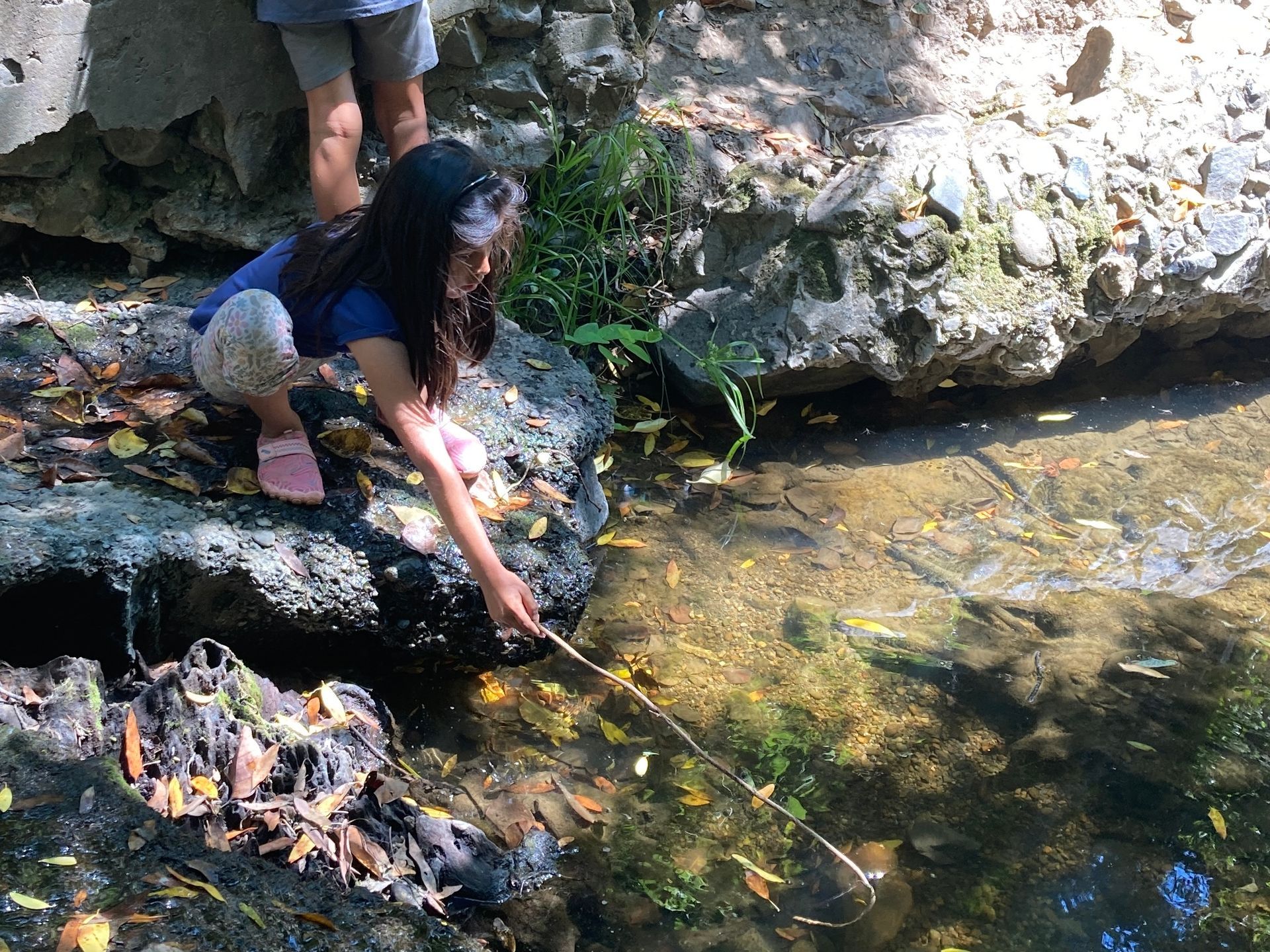
  • To wrap up our week, students headed to Cull Canyon, where they observed more oak woodlands and explored a riparian corridor — a lush, biodiverse area along the creek. And yes, the week ended the way it began: with sunshine, laughter, and a refreshing swim!


Exploring the Bay Area wasn’t just about field trips — it was about connecting students to their environment, deepening their appreciation for nature, and fostering independence through real-world exploration. Whether hiking, swimming, or simply observing a new ecosystem, our students walked away with more than knowledge — they gained a sense of place and belonging in the world around them.


Stay tuned for more updates from our Montessori adventures — and until then, keep exploring!

A Showcase of Learning: Elementary Cultural Research Projects
By Wellington Pontes-Filho March 30, 2026
From Curiosity to Confidence: Inside Our Cultural Research Project Presentations at the Renaissance International School.
Peace and Montessori Education
By Renee Hites March 4, 2026
In a world that often feels rushed and fragmented, Montessori education offers something rare: a place where children are truly seen. It is an approach built not just on academic achievement, but on the belief that education, real education, has the power to change the world. Maria Montessori developed her method in the early twentieth century, but her deepest conviction was not about reading or mathematics. It was about peace. She believed that if we want a more peaceful world, we must begin with the child. " Establishing lasting peace ," she wrote, " is the work of education ." In a Montessori classroom, peace is not simply a topic that is taught. It is something that is lived. Children of different ages work alongside one another, learning to collaborate rather than compete. They develop independence, not because they are left alone, but because they are trusted. They are given real work that matters, real choices that shape their day, and real consequences that teach them to think carefully about their actions. This freedom, however, is always balanced with responsibility. Children learn to care for their environment, to resolve conflicts with words, and to consider the needs of others as naturally as they consider their own. Grace and courtesy are woven into the fabric of every day, not as rules imposed from the outside, but as habits grown from the inside. Montessori also understood something profound about the child's relationship with the world itself. Through Cosmic Education, the sweeping story of the universe, the Earth, life, and human civilization, children come to see themselves not as isolated individuals, but as participants in something vast and interconnected. They learn that every living thing depends on every other, that the air we breathe was shaped by ancient organisms, that the words we speak carry the fingerprints of countless civilizations. This perspective cultivates humility, wonder, and a deep sense of responsibility toward the world and toward one another. What you will see today in our classrooms is a reflection of that vision. The quiet concentration, the purposeful movement, the children helping one another: these are not accidents. They are the fruits of an environment carefully prepared to bring out the best in each child. Montessori education does not promise to solve the world's problems. But it does promise to raise children who are capable of empathy, who know how to listen, who find meaning in contributing to something greater than themselves. And in that promise lies something quietly extraordinary: the possibility that the children in these rooms might one day help build the more peaceful world we are all hoping for.