This year we are beginning a series of lunchtime virtual sessions for Parent Education. Once a month we'll invite a host from our knowledgeable TRIS staff to present on a topic related to our school philosophies. Our first session was held in September and was hosted by our Head of School, Renee Hites.
Renee wrote:
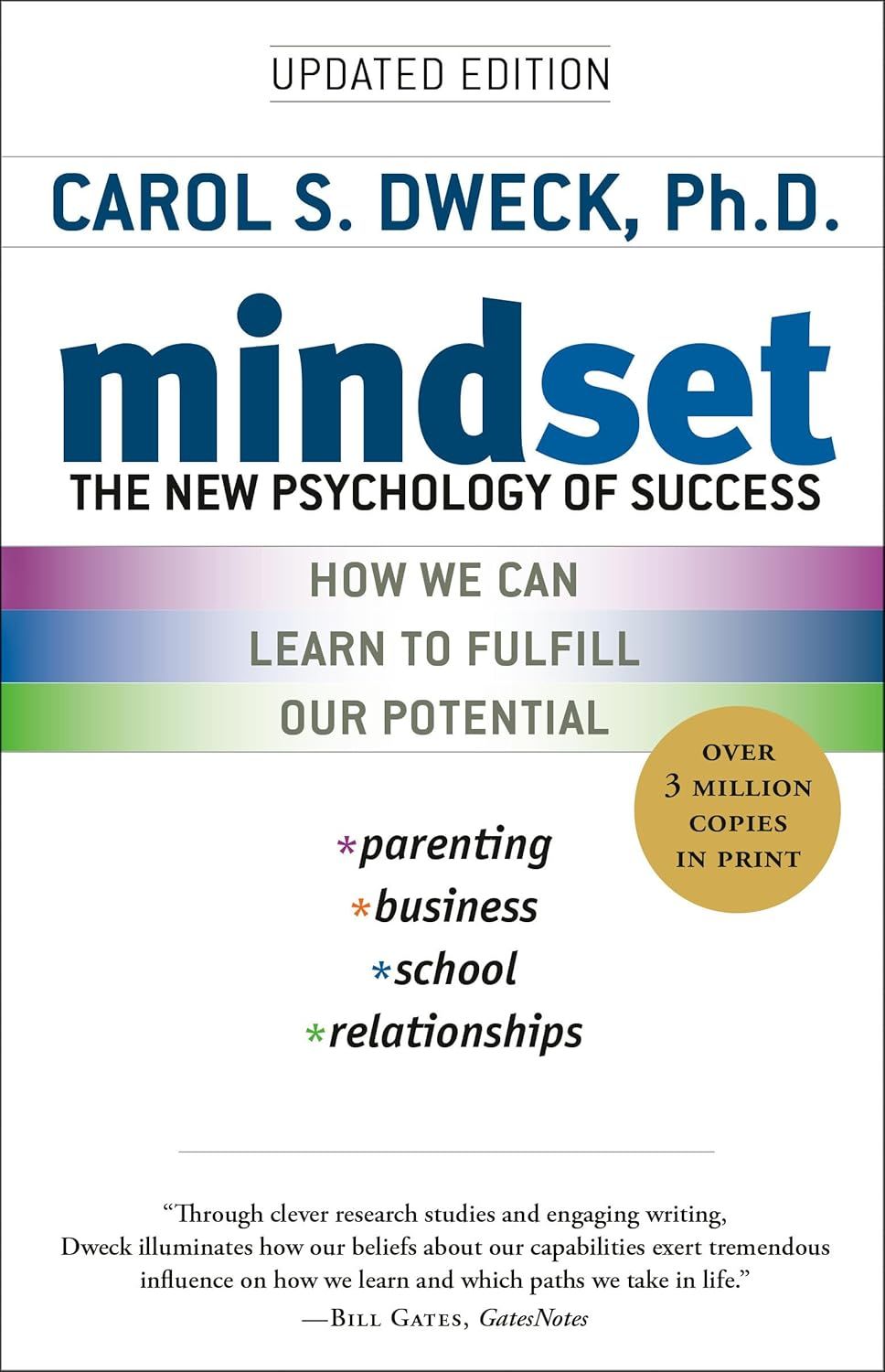
Thank you to those of you who joined me on Friday, September 5th, for our very first Renaissance Reflection Series, where we explored Carol Dweck’s Mindset. This is the book I invited everyone in our community to read over the summer, and one that all staff members have also read together. I chose this book because its core ideas resonate so strongly with Montessori philosophy—particularly the belief that growth and learning are lifelong processes, nurtured through curiosity, effort, and reflection.
During the session, we focused on the distinction between a growth mindset and a fixed mindset. A growth mindset is one in which a person sees all abilities as being able to improve and develop through dedication and hard work. In this paradigm, challenges are opportunities for growth and learning. A fixed mindset is one in which a person believes traits (like intelligence or artistic ability) are unchangeable. This mindset leads someone to avoid challenges, to fear failure, and to see setbacks as confirmation of their fixed limitations.
In our discussion, we spent time considering how we, as adults, are constantly modelling both these ways of thinking for the children in our lives. It is tempting to imagine ourselves as living entirely in a growth mindset, but as Carol Dweck reminds us, all of us inevitably experience moments where we slip back into a fixed mindset. Recognizing those moments is essential, because they provide opportunities to grow in self-awareness and to consciously shift the messages we are sending to ourselves and to our children.
One parent shared that on a difficult day, after forgetting something, they might say to themselves, “Oh, I am so stupid.” This simple, almost automatic reaction is a perfect example of how a fixed mindset can sneak into our language and self-talk without us even realizing it. By noticing these moments, we can begin to reframe them and ultimately also help our children reframe them.
How Can We Help Our Children?
One of the best ways we can support our children is by making the idea of a mindset shift relatable. After all, we as adults experience it, too. When we become aware of our thinking, we gain the power to change it—and with that awareness comes the freedom to choose how we grow. Children absorb everything in their environment, so it is crucial to model the behaviors we want to see in them.
We can demonstrate this by noticing when we slip into a fixed mindset and by practicing small, intentional shifts. It starts with the language we use: words that value curiosity, effort, and openness to change. From there, we can turn those words into action by embracing a growth mindset—not only when life is going well, but especially in the face of setbacks.
Acknowledging frustration and setbacks is essential. However, what truly matters is what we choose to do next. Whether we choose to encourage ourselves to grow, take action to make that growth happen, and strive to become better versions of ourselves ultimately defines who we become.