At The Renaissance International School, we see the power of the Montessori approach in our classrooms every single day. But have you ever wondered how it all began? While most families know the educational philosophy is named after its founder, the story of how Dr. Maria Montessori developed her revolutionary approach is inspiring, groundbreaking, and deeply human.
Here is a look back at the history of the movement that continues to shape our vibrant school community today.
A Trailblazing Beginning
Maria Montessori was born in Chiaravalle, Italy, on August 31, 1870. Growing up, her family eventually settled in Rome. An exceptionally bright and determined student, she made the bold decision to study medicine at the University of Rome—a field almost entirely dominated by men at the time.
Despite facing systemic discrimination, she persevered with distinction. Upon graduating, Dr. Montessori became one of the first female physicians in Italy. Her early medical career in pediatric psychiatry laid the foundation for everything that was to come.
Working with children who were cognitively impaired and largely written off by society, Dr. Montessori became a passionate advocate for their dignity and potential. She realized that these children did not just need medical care—they needed specialized educational engagement. She began designing hands-on learning materials to stimulate their sensory development and intellect, laying the groundwork for what would become standard Montessori materials.
Casa dei Bambini: The First Classroom
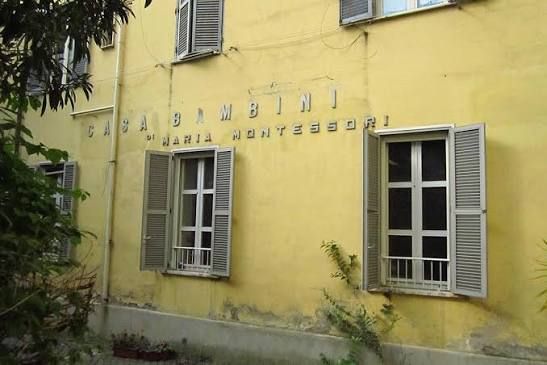
In 1907, Dr. Montessori opened a center for young children in San Lorenzo, an impoverished neighborhood in Rome. She named it Casa dei Bambini (Children’s House). Her goal was simple: to offer a safe, enriching environment for the young children of working-class parents.
She brought the physical materials she had designed and applied her training as a scientific observer. Rather than imposing rigid, traditional instruction, she observed how the children naturally interacted with their environment.
What she discovered astonished her—and soon astonished the world:
- Deep Concentration: Children possessed a natural capacity for intense focus when given self-directed, meaningful work.
- Love of Practical Life: They took genuine joy and pride in real-world care tasks, such as preparing food, sweeping, and caring for their space.
- Absorbent Minds: Children absorbed knowledge effortlessly from a thoughtfully prepared environment.
- Independence & Joy: They thrived when given materials that allowed them to self-correct and complete tasks independently.
Casa dei Bambini was a resounding success. News of these peaceful, capable young learners spread rapidly across Europe and around the globe.
Global Growth and the Four Planes of Development
As interest grew, Dr. Montessori began writing, lecturing, and leading teacher training courses. What began as an early childhood intervention quickly expanded to include elementary-aged children and adolescents. Over time, Dr. Montessori formalized her understanding of human growth into the Four Planes of Development, recognizing that a child’s physical, cognitive, and social needs evolve radically as they grow from birth to young adulthood.
Montessori education arrived in the United States in the early 20th century. While its popularity fluctuated over the decades, a major revival occurred in the 1950s—driven by parents and educators seeking a more respectful, child-centered approach to learning.
Today, two primary global organizations support the movement:
- AMI (Association Montessori Internationale): Founded by Dr. Montessori and her son, Mario, to preserve the integrity and core principles of her original work.
- AMS (American Montessori Society): Founded by Nancy McCormick Rambusch, focusing on bringing Montessori principles into alignment with modern American culture and educational standards.
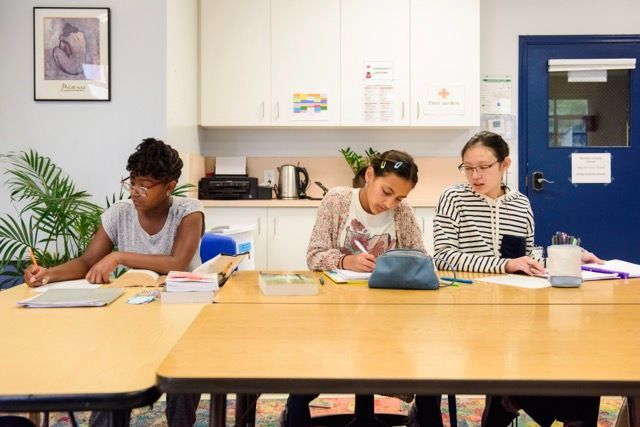
At The Renaissance International School, we draw from this rich legacy to create an environment where children cultivate independence, critical thinking, and a lifelong love of learning.
Continuing the Legacy at The Renaissance International School
More than a century after Casa dei Bambini opened its doors, Dr. Montessori's observations remain as relevant as ever. In a fast-paced world, the Montessori approach offers children something rare and essential: space to concentrate, freedom within firm boundaries, and the respect needed to build true confidence.
Have Questions About the Montessori Method?
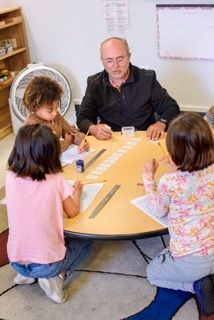
Whether you are curious about how our prepared environments work or want to see Dr. Montessori’s materials in action, we love sharing our passion for this approach.
Schedule a Campus Tour to see our classrooms firsthand!