The Importance (Benefits) of Outdoor Education
October 28, 2024

In the Montessori program, the outdoor environment is an extension of the classroom, offering unique opportunities to foster social, emotional, physical, and academic growth and development. Nature stimulates curiosity and creativity and a sense of awe and wonder that stays with children long after the outdoor experience has ended.


The natural world presents opportunities to practice decision-making, problem-solving, and observation skills. For instance, students might have to decide the best route to take on a hike after evaluating options presented by peers depending on various factors such as time, varying abilities, and weather or build a shelter after collaborating to explore the best way to do so after careful observation of the terrain and surrounding area. These experiences build confidence and develop empathy, self-discipline, and initiative. They also nurture environmental stewardship and creativity and instill a sense of wonder and responsibility.


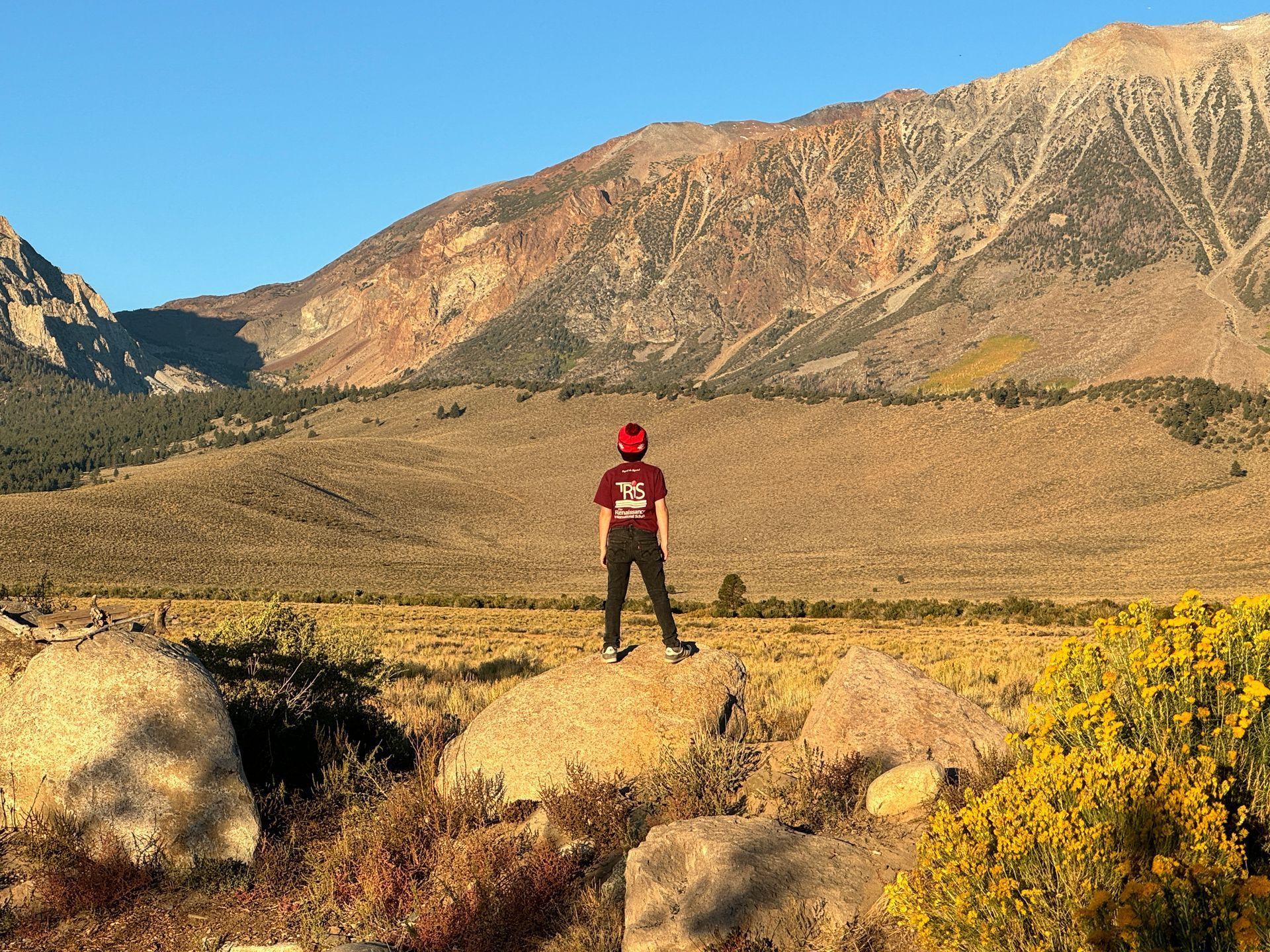
This month, our elementary students will participate in two outdoor education programs. Upper Elementary embarks on a week-long adventure at Mono Lake, where they hike, explore, and learn about nature. Lower Elementary participates in the Wolf School program, spending four days and three nights immersed outdoors. These programs offer physical challenges and teach essential practical life skills. Students prepare meals, manage their personal belongings, and maintain their cabins while learning to share space and respect one another.


After these trips, we witness remarkable personal growth in students and the classroom community. The experience strengthens community spirit, blossoms new friendships, and deepens bonds between students and teachers as they connect in a unique setting. The program encourages collaboration, teamwork, and social interaction while instilling an appreciation for nature and understanding the importance of environmental conservation.


The memories made during these trips—whether through collaborating on a task, exploring, playing, or simply enjoying each other's company—become cherished moments that the children carry with them for years to come. These experiences shape their understanding and appreciation of the natural world, instilling a lifelong love for nature that is a testament to the lasting impact of our outdoor education program.


Warmly,

Wellington Pontes-Filho

Elementary Program Director
By Katrina Cisne July 15, 2026
This year, I had the amazing opportunity to attend the 30th International Montessori Congress held in Merida, Yucatán. This event, happening every few years, is an opportunity for Montessorians throughout the world to come together to reflect and discuss the important work of educating the whole child. This year’s theme was, Joyful Journey, “a global celebration of growth, learning, and connection inspired by Montessori education.” Over the course of four days, we listened to Montessori trainers, psychologists, and other experts in the field of human development as they shared with us their research, observations and knowledge. Among the featured speakers were Dr. Adele Diamond, a leader in developmental cognitive neuroscience; Dr. Angeline Stoll Lillard, author of Montessori: The Science Behind the Genius and director of the early development Laboratory and the Montessori Science Program at the University of Virginia; and keynote speaker, Dr. Gabor Mate whose work focuses on addiction, trauma, childhood development, and the relationship of stress and illness. The Congress opened with Dr. Maté's keynote address on the needs of the child and what he described as the "biology of loss." He spoke about the essential developmental needs of every child: secure attachment, emotionally attuned relationships, the freedom to experience emotions—including grief, sadness, fear, and joy—opportunities for unstructured play in nature, and the presence of calm, consistently available caregivers. Rather than focusing only on overt trauma, Dr. Maté explored what happens when even one of these fundamental needs is not fully met. He explained how chronic stress or emotional misattunement can influence a child's developing brain, affecting both physical health and behavior. His message challenged us to reconsider the purpose of education. If our goal is to help children become self-regulated, compassionate, and independent thinkers, then our work must extend beyond academics. How do we, as educators and parents, support that development? Dr. Maté's answer was both profound and beautifully simple: we build relationships. He argued that the single greatest influence on a child's brain development is the quality of the relationship between the child and their caregiver. The message of relationship was echoed throughout the conference and across multiple speakers. Strong, supportive relationships foster resilience, help children understand and regulate their emotions, encourage healthy vulnerability, and cultivate trust. While I came away with countless new ideas and insights, this was the lesson that resonated with me most deeply as both a teacher and a parent. On the surface, we all recognize the importance of connecting with children. But when we pause to consider the profound influence we have, not only on their daily experiences but on the architecture of their developing brains and the people they are becoming, we are reminded that our greatest work is not simply teaching lessons. It is building authentic relationships, being fully present, and offering each child the unconditional respect, care, and love they need to flourish. The Congress served as a powerful reminder that Montessori education is not simply a method of teaching; it is a way of honoring the humanity of every child. As I return to the classroom, I do so with renewed purpose and gratitude, committed to nurturing not only my students' minds but also their hearts, knowing that the relationships we cultivate today will shape the adults they become tomorrow. Katrina Cisne Early Childhood Program Director
A Showcase of Learning: Elementary Cultural Research Projects
By Wellington Pontes-Filho March 30, 2026
From Curiosity to Confidence: Inside Our Cultural Research Project Presentations at the Renaissance International School.