As parents and educators, our role in a child's life is beautiful, profound, and occasionally bittersweet. While our natural instinct is to hold our children close and keep them safe, our ultimate goal is to guide them toward independence.
In a Montessori environment, we view childhood as a series of natural "conquests of independence." From the moment a child enters the world, they possess an innate inner drive to do for themselves, to explore, and to master their environment.
Understanding these developmental milestones helps us, as caregivers, know when to step back, observe, and offer just enough support for our children to succeed on their own. Here is a look at how functional independence unfolds across the first six years of life.
Birth to One Year: The First Steps Toward Self-Reliance
Dependence is expected at the beginning of life, yet an infant takes their very first step toward independence at birth. Once born, they begin breathing on their own and actively suckling or latching to gain nutrition.
Throughout the first year, key conquests include:
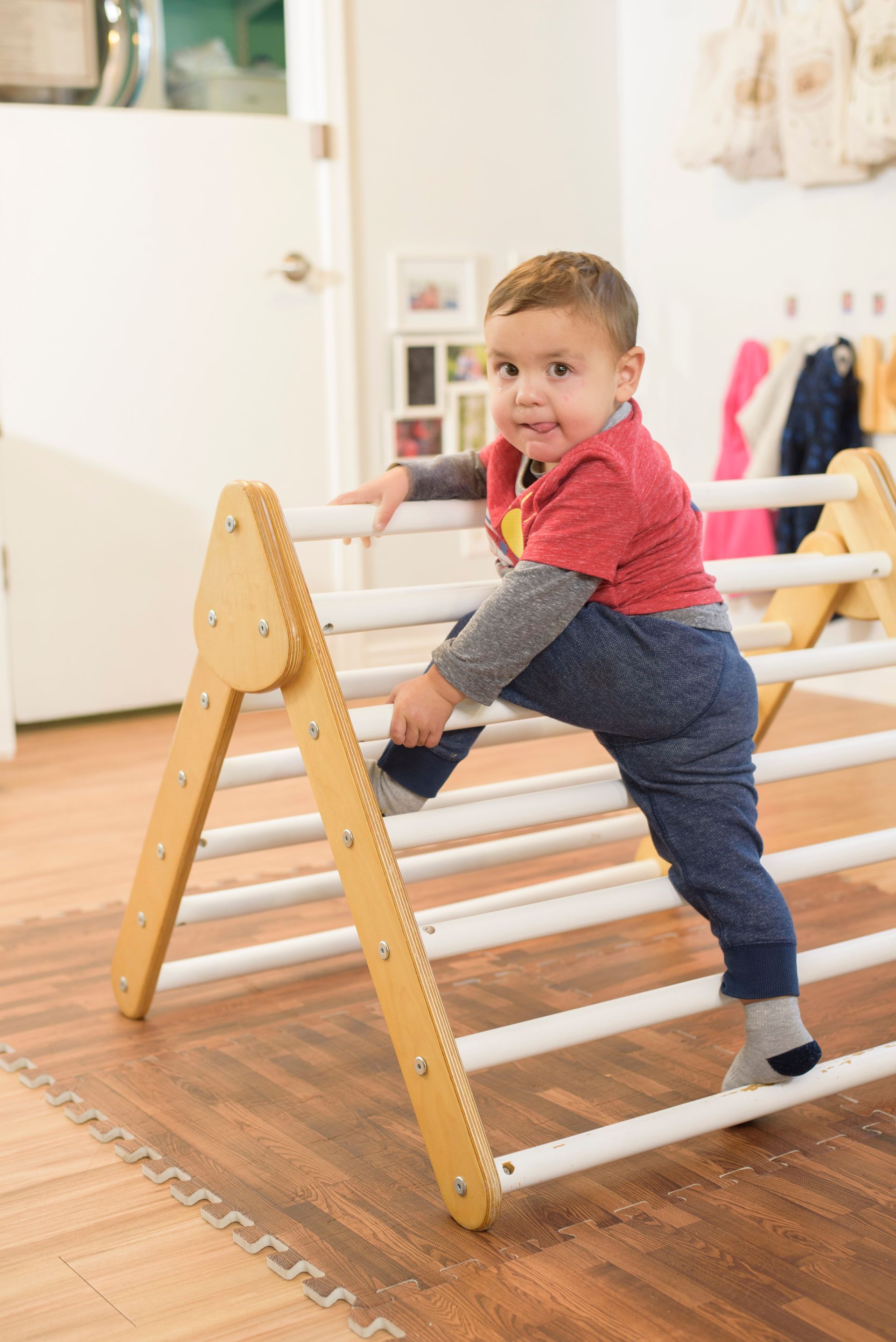
- Locomotion: As infants learn to push up, sit, crawl, and pull themselves up, they gain the freedom to explore their environment without being carried.
- Self-Feeding: In our Nido and Young Children's Community environments, weaning is viewed as a supportive transition. From holding a small shot glass of water to picking up finger foods, offering functional, child-sized tools allows infants to feed themselves rather than passively receiving food from an adult.
- Healthy Separation: Independent growth relies on secure attachment. Giving infants safe, independent floor time to explore without constant adult intervention helps them build confidence in being on their own.
- Early Communication: Crying, cooing, smiling, and early babbling are a child's first tools for social connection and expressing needs.
One to Three Years: Toddlerhood and the Exploration of Will
During the toddler years, children become confident walkers, runners, and climbers. As physical coordination grows, their hands become primary tools for exploring the world.
Key conquests in this phase include:
- Self-Care & Toileting: Confident walking opens the door to toilet awareness. Toddlers also begin participating in dressing themselves, brushing their hair, and washing their hands at child-sized sinks.
- Caring for the Environment: Toddlers love real, purposeful work. They are fully capable of wiping up a small spill, sweeping crumbs with a child-sized broom, or carrying their own small backpack.
- Exercising the Will: Toddlers need opportunities to make meaningful choices (e.g., choosing between two shirts or two fruit options at snack). Making choices allows them to exercise their developing willpower constructively.
Three to Four and a Half Years: Expanding Horizons in Primary
As children enter the Primary (Children's House) years, their independence shifts outward toward community living and refined physical mastery.
Key conquests include:
- School Separation: Transitioning comfortably into the classroom environment builds profound self-trust. Children realize they can thrive outside the home and trust other caring adults.
- Practical Life Skills: Children learn to master clothing fasteners (zippers, buttons, buckles) and participate in food preparation, such as slicing bananas or spreading butter. Research consistently shows that children involved in preparing their own food are more open to trying diverse, healthy options.
- Emotional Literacy: Vocabulary expands rapidly, allowing children to use precise words to express complex emotions and resolve minor peer conflicts peacefully.
- Fine Motor Dexterity: Refined hand-eye coordination prepares the child for writing, using delicate materials, and handling complex tools.
Four and a Half to Six Years: Social Independence and Early Abstraction
In the upper years of the Primary classroom, the child’s independence matures from doing things for themselves to contributing meaningfully to others.
Key conquests include:
- Community Leadership: Older children take pride in helping younger classmates zip coats, put away work, or navigate classroom routines.
- Internalizing Social Norms: Children practice Grace and Courtesy naturally—pushing in their chairs, greeting visitors warmly, and respecting a peer's personal space.
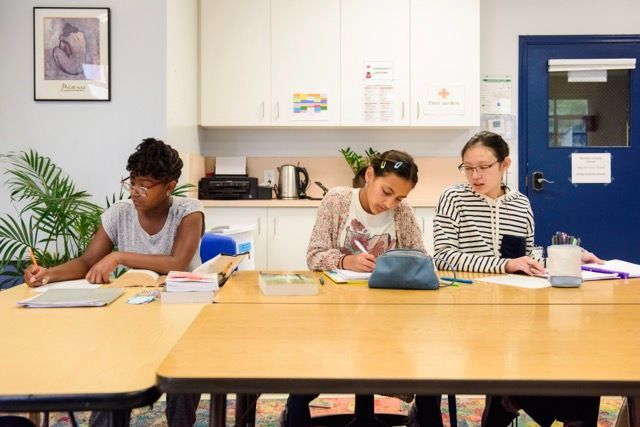
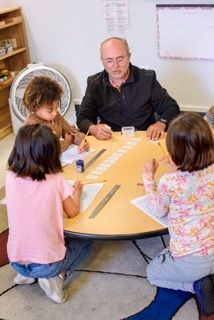
- Academic Independence: Children move from concrete exploration to logical understanding. They begin reading, writing expressively, and understanding mathematical quantities and place value intuitively rather than by rote memorization.
- Empathy and Compassion: Children develop a genuine capacity to view situations from another person’s perspective, laying the foundation for lifelong citizenship.
Supporting the Journey at Home and School
Functional independence is not about expecting children to grow up too fast. It is about honoring their capabilities and giving them the time, space, and prepared environment they need to master their own lives.
When we step back and allow children to do what they are capable of doing, we foster genuine self-esteem, resilience, and a lifelong love of learning.
We invite you to see our prepared environments in action.
Schedule a tour today to observe how The Renaissance International School supports independence at every stage of development.