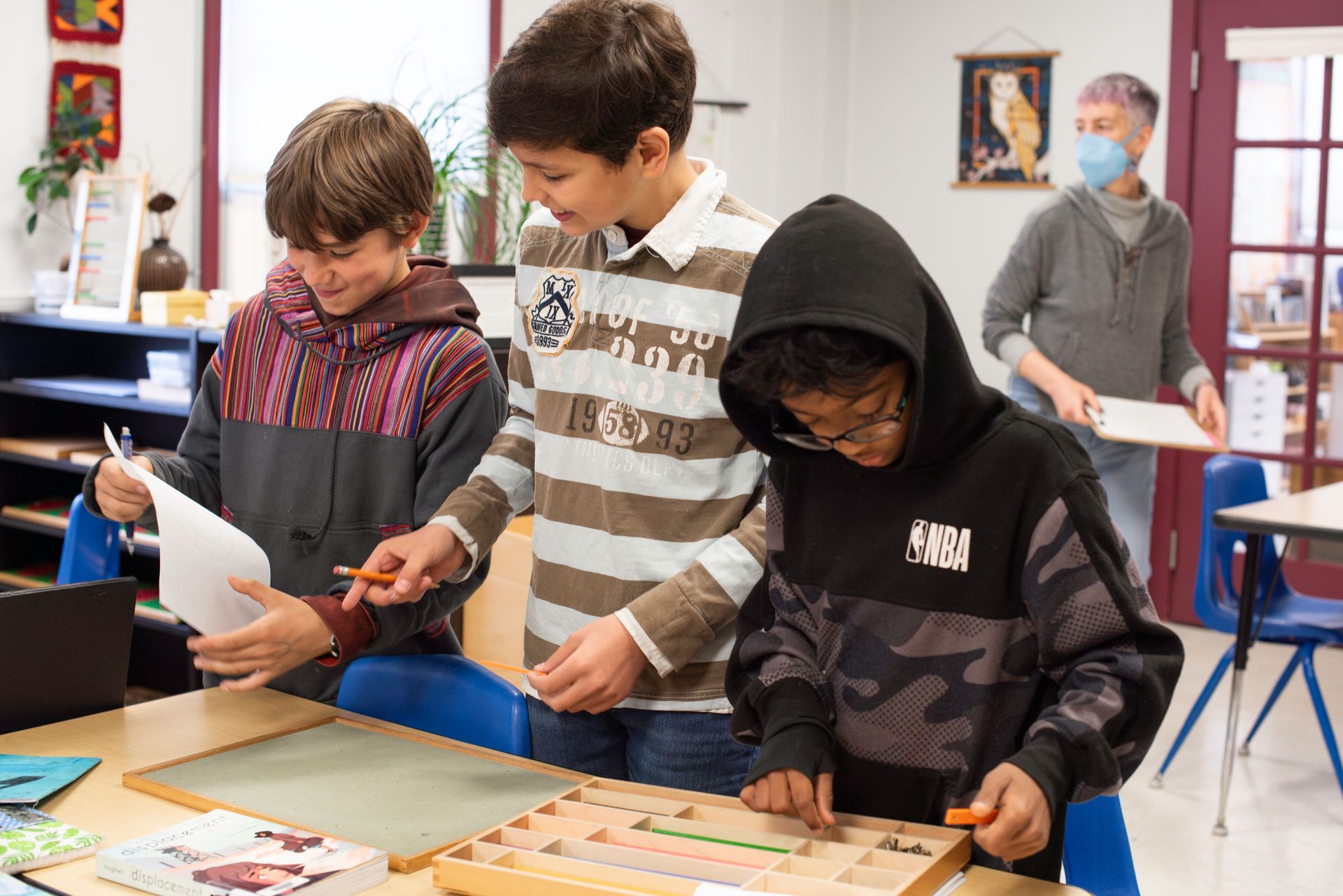
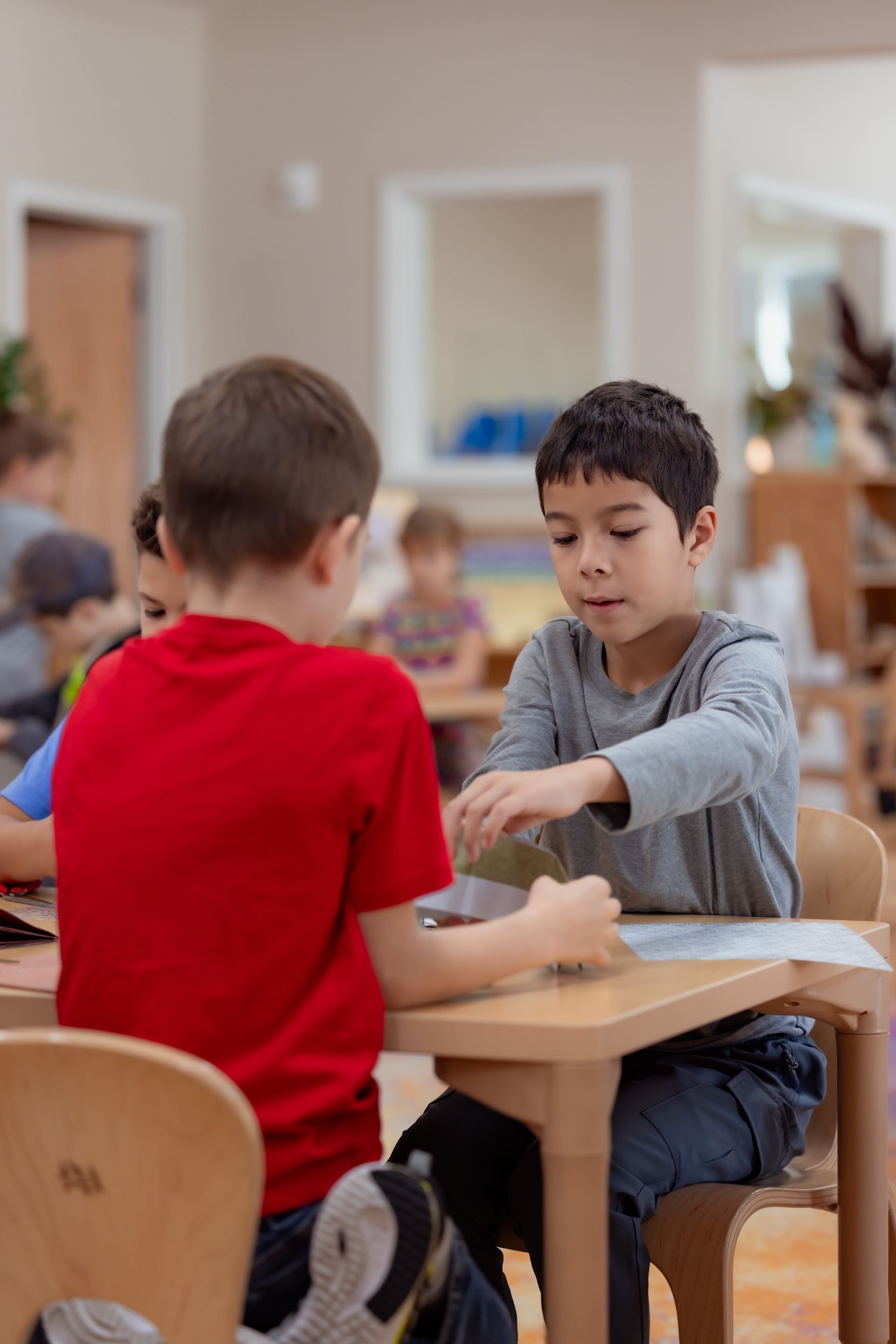
The Elementary years are a period of extraordinary intellectual and social expansion. In our Elementary classrooms at The Renaissance International School, children are not only deepening their academic work—they are also navigating the complex world of peer dynamics. They are learning how to communicate kindly, make and keep friends, manage big emotions, and find their place within a group.
With all this growth, social friction is entirely natural.
When a child comes home upset, our immediate instinct as parents is to shield them. But these moments offer incredible opportunities to teach problem-solving, resilience, and empathy. Here is a look at how we navigate these social milestones in Montessori—and how you can support your child at home.
Common Social Challenges in the Elementary Years
As children experiment with language and independence, they also test the impact of their actions on others. You might see:
- Testing Boundaries: Using silly or inappropriate language to get a reaction from peers.
- Friendship Shifts: Navigating changing social groups, feeling left out, or struggling to find a "best friend."
- Handling Classroom Dynamics: Learning to work alongside peers with different learning styles, temperaments, or self-regulation needs.
These challenges are not signs of failure—neither on the part of the child nor the school. They are a normal, healthy part of learning how to live in community.
A 3-Step Roadmap for Parents
When your child comes home carrying the weight of a hard day, these three steps offer a thoughtful framework for responding:
Step 1: Regulate Our Own Emotions
Children absorb our energy. When your child shares a painful story, give yourself permission to pause before reacting. We often recommend the "24-Hour Rule." Taking time to process helps us respond from a place of calm wisdom rather than protective reaction.
Step 2: Validate Their Feelings
Resist the urge to jump straight into "fixing" the problem. Children need a safe harbor to express themselves without absorbing our emotional reactions. Focus on simple, empathetic validation:
- "I’m so sorry that happened today."
- "That must have felt really unexpected."
- "How are you feeling about it right now?"
Step 3: Teach Problem-Solving Skills
Conflict resolution is a learned skill. Once emotions have settled, try this four-part approach together:
- Brainstorm: Come up with two or three potential strategies focused on a key skill (e.g., self-advocacy, setting personal boundaries, or inviting someone to play).
- Model: Show them what the strategy looks like in action. Use role-playing or a bit of humor to keep it engaging.
- Practice: Let your child rehearse their words with you, offering gentle encouragement.
- Plan: Choose one strategy to try for a few days, and agree to check back in on how it went.
Two Real-World Scenarios
Scenario A: Feeling Excluded at Recess
If your child feels left out during playground games, self-advocacy is key. You might brainstorm phrases together like: "Can I join the next round?" or "I'd love to play too." Practice role-playing the interaction at home, set a 3-day plan, and agree to regroup.
Scenario B: Navigating Disruptive Behavior
If your child is worried about a classmate experiencing a hard moment, validate their feelings while modeling compassion for their peer. Help your child focus on what they can control: setting personal boundaries or quietly seeking support from a Guide.
Partnering with TRIS Elementary Guides
Our Elementary Guides are dedicated to supporting social-emotional growth alongside academic learning. Here is how we can work together best:
- Timely Communication: If a social challenge is weighing on your child, please reach out to their Guide early. Real-time insights allow us to observe and support dynamics in the classroom as they happen.
- Co-Creating Solutions: Let your child know you are partnering with the school. You might say: "This sounds like something your Guide can help with. Let’s write a quick note to them together."
- Quiet Heads-Up: If your child just needed to vent and isn't ready for direct intervention, feel free to give the Guide a quiet heads-up so they can subtly observe without making the child feel put on the spot.
Building Lifelong Skills
Supporting children through friendship hurdles isn't about eliminating every conflict. It's about giving them the tools, self-reliance, and compassion to navigate relationships independently. The skills they practice today at TRIS—advocacy, empathy, and peaceful resolution—will serve them for the rest of their lives.
Curious about how our Elementary program fosters social-emotional growth? We invite prospective families to
schedule a tour to see our vibrant learning community in action.