Parent's Day
Katrina Cisne • January 23, 2025

Primary Parents Day: An Exciting Opportunity to Engage with Your Child's Learning

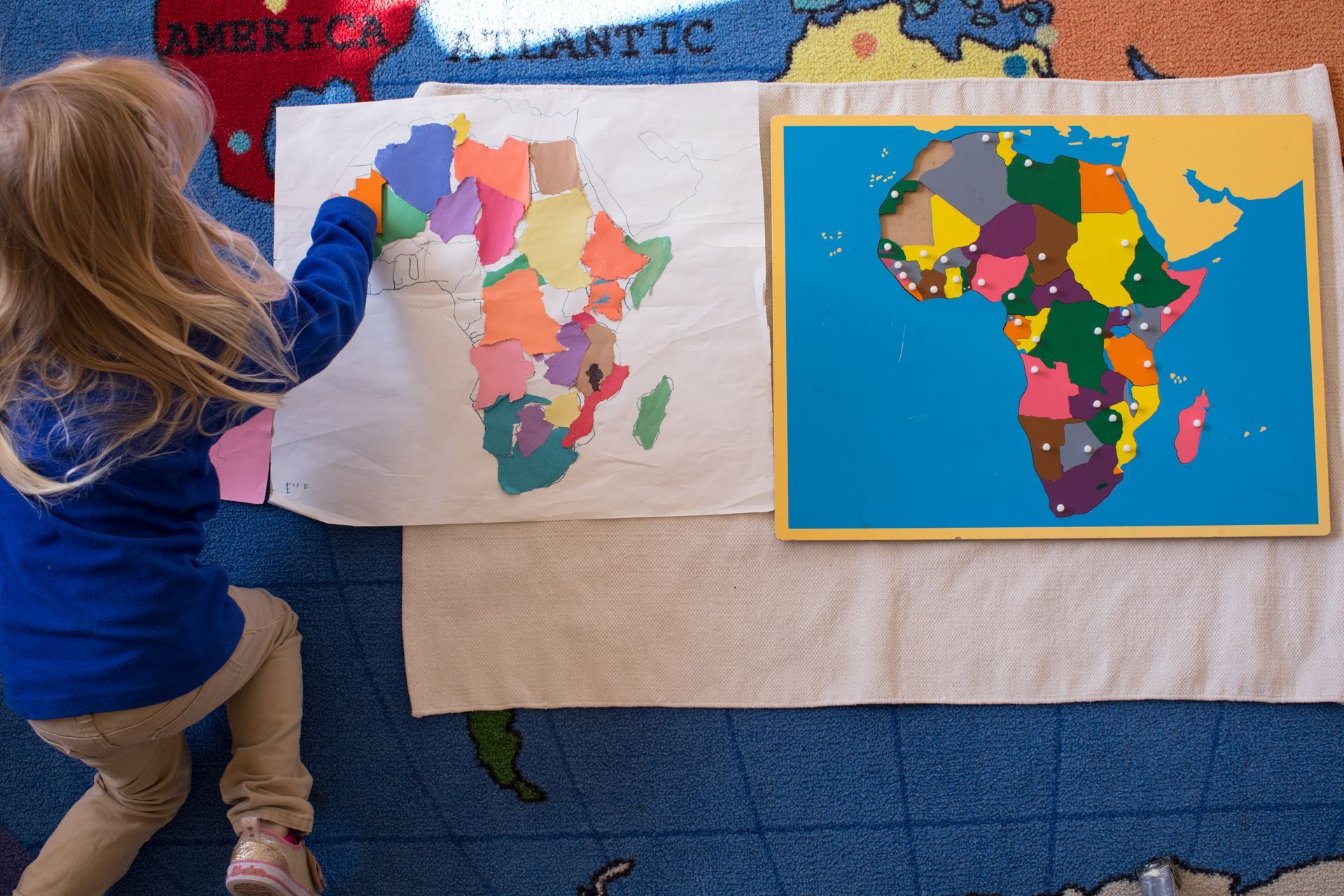
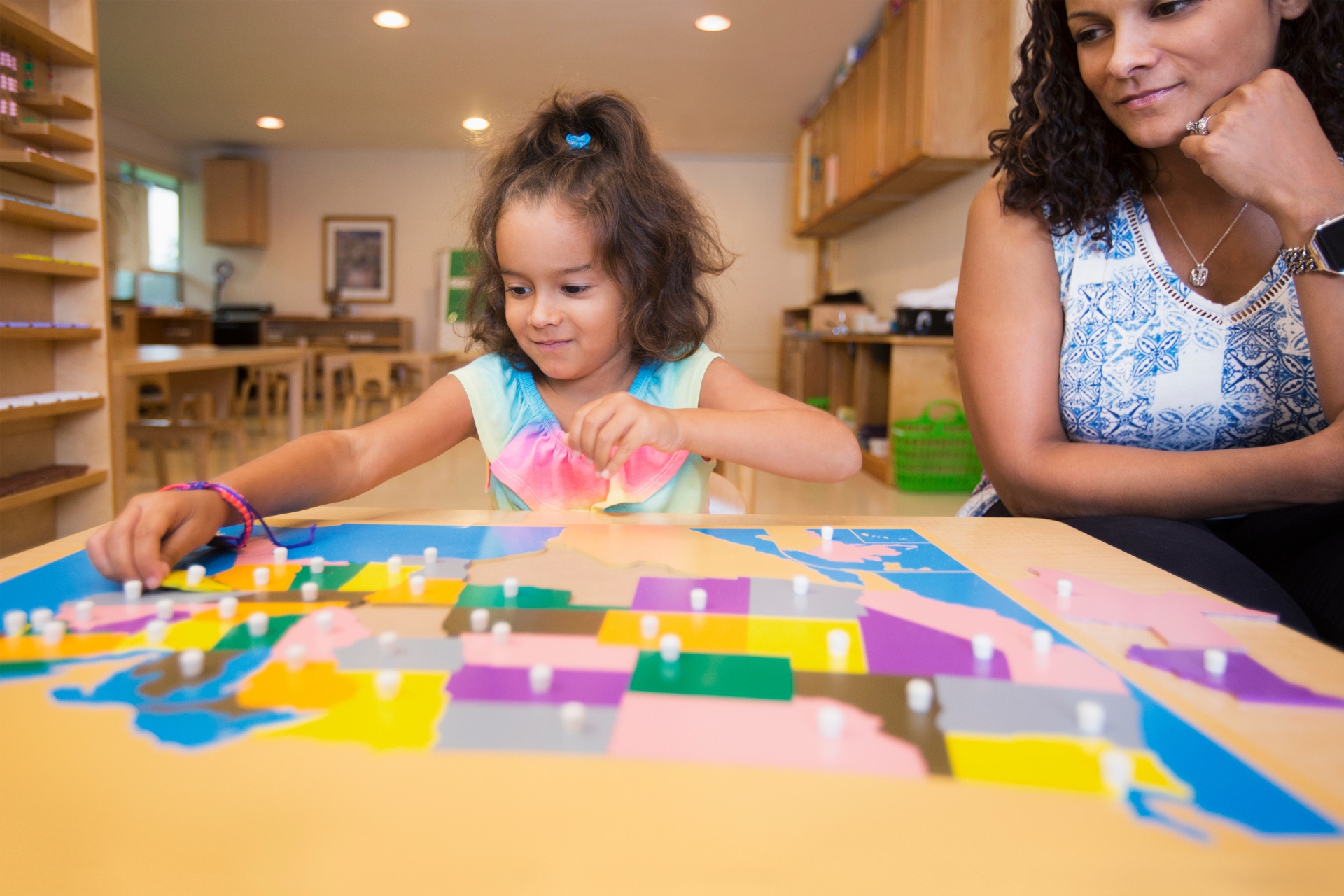
Primary Parents Day is a special and enriching event designed to give parents an inside look into the vibrant world of the primary classroom. This occasion allows parents to witness firsthand the engaging learning environment in which their children thrive every day.

During this event, your child has taken the initiative to select a variety of lessons and activities that they would like to share with you. This selection reflects their interests and the skills they have been developing throughout the school year. You can expect to see a mix of subjects, including literacy, mathematics, science, sensorial, and practical life, showcasing the diverse curriculum that supports their growth and learning.

We encourage you to engage actively during this day. Your child will be excited to showcase their work, and your presence will reinforce the value of education and support their enthusiasm for learning. Whether you are observing a science experiment, participating in a reading activity, or exploring a practical life activity, your involvement will contribute to a memorable experience for both you and your child.

We look forward to welcoming you to Primary Parents Day and sharing in this celebration of learning and growth together!


Katrina Cisne

Director of Early Childhood

The Renaissance International School
A Showcase of Learning: Elementary Cultural Research Projects
By Wellington Pontes-Filho March 30, 2026
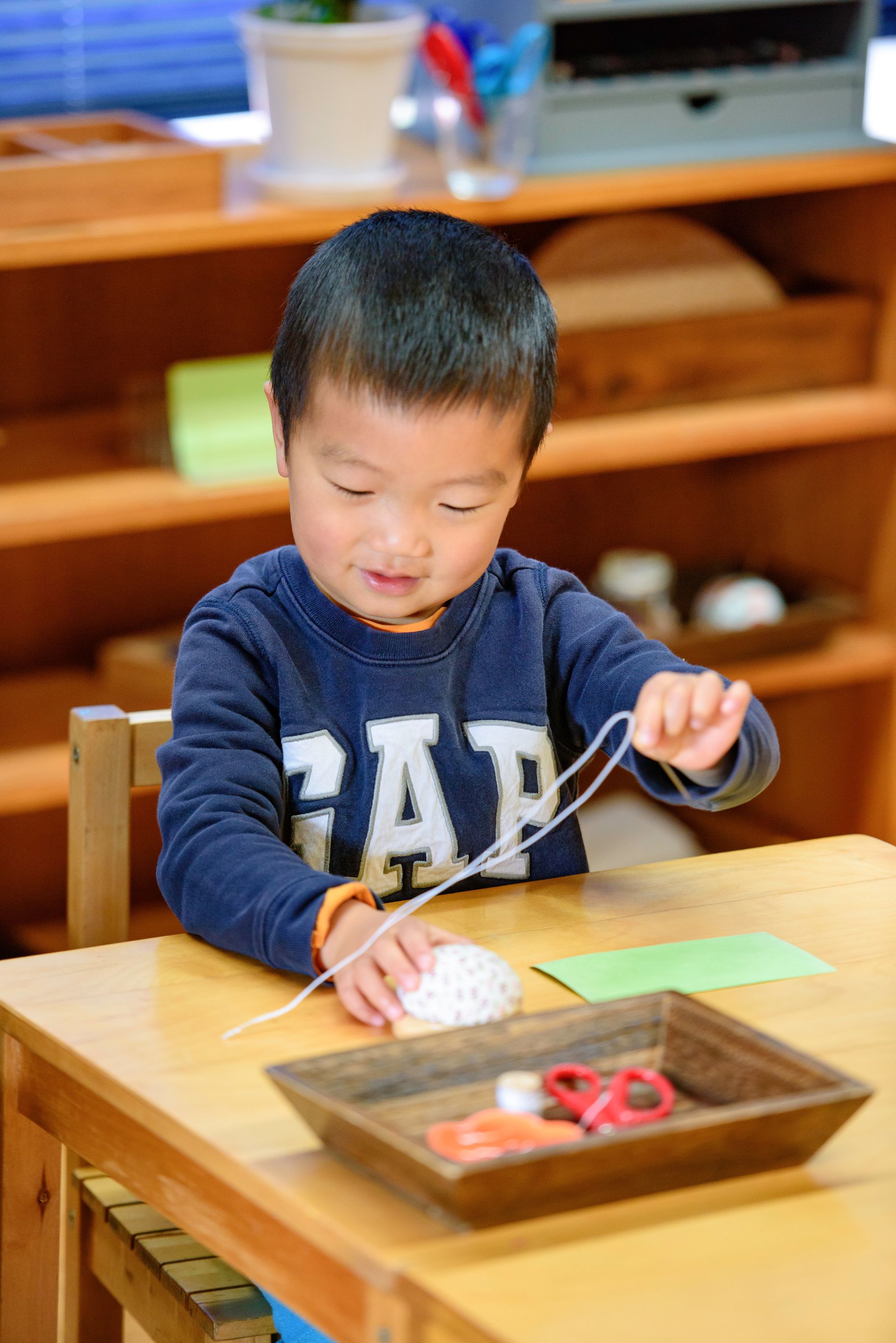
From Curiosity to Confidence: Inside Our Cultural Research Project Presentations at the Renaissance International School.
Peace and Montessori Education
By Renee Hites March 4, 2026
In a world that often feels rushed and fragmented, Montessori education offers something rare: a place where children are truly seen. It is an approach built not just on academic achievement, but on the belief that education, real education, has the power to change the world. Maria Montessori developed her method in the early twentieth century, but her deepest conviction was not about reading or mathematics. It was about peace. She believed that if we want a more peaceful world, we must begin with the child. " Establishing lasting peace ," she wrote, " is the work of education ." In a Montessori classroom, peace is not simply a topic that is taught. It is something that is lived. Children of different ages work alongside one another, learning to collaborate rather than compete. They develop independence, not because they are left alone, but because they are trusted. They are given real work that matters, real choices that shape their day, and real consequences that teach them to think carefully about their actions. This freedom, however, is always balanced with responsibility. Children learn to care for their environment, to resolve conflicts with words, and to consider the needs of others as naturally as they consider their own. Grace and courtesy are woven into the fabric of every day, not as rules imposed from the outside, but as habits grown from the inside. Montessori also understood something profound about the child's relationship with the world itself. Through Cosmic Education, the sweeping story of the universe, the Earth, life, and human civilization, children come to see themselves not as isolated individuals, but as participants in something vast and interconnected. They learn that every living thing depends on every other, that the air we breathe was shaped by ancient organisms, that the words we speak carry the fingerprints of countless civilizations. This perspective cultivates humility, wonder, and a deep sense of responsibility toward the world and toward one another. What you will see today in our classrooms is a reflection of that vision. The quiet concentration, the purposeful movement, the children helping one another: these are not accidents. They are the fruits of an environment carefully prepared to bring out the best in each child. Montessori education does not promise to solve the world's problems. But it does promise to raise children who are capable of empathy, who know how to listen, who find meaning in contributing to something greater than themselves. And in that promise lies something quietly extraordinary: the possibility that the children in these rooms might one day help build the more peaceful world we are all hoping for.